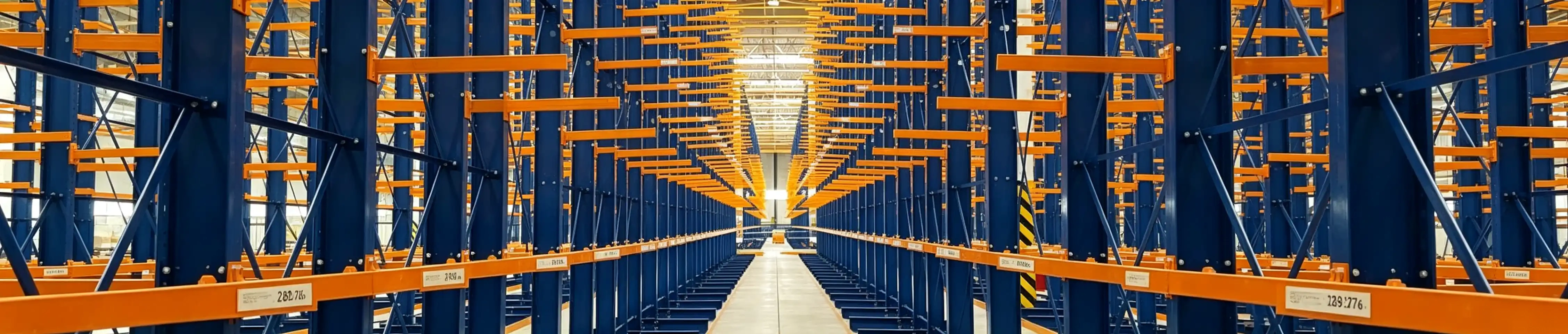
Cantilever Racking

  • The open, pillar-free structure is specifically designed for storing long and narrow goods such as pipes, profiles, and other long materials, completely solving the storage problem for irregularly shaped items.; The cantilever arms offer flexible adjustment of spacing and height, allowing for unrestricted goods storage and retrieval regardless of size, improving retrieval efficiency by 36%..; Single-sided and double-sided models are available, maximizing longitudinal space and increasing space utilization by 44% compared to traditional stacking methods..

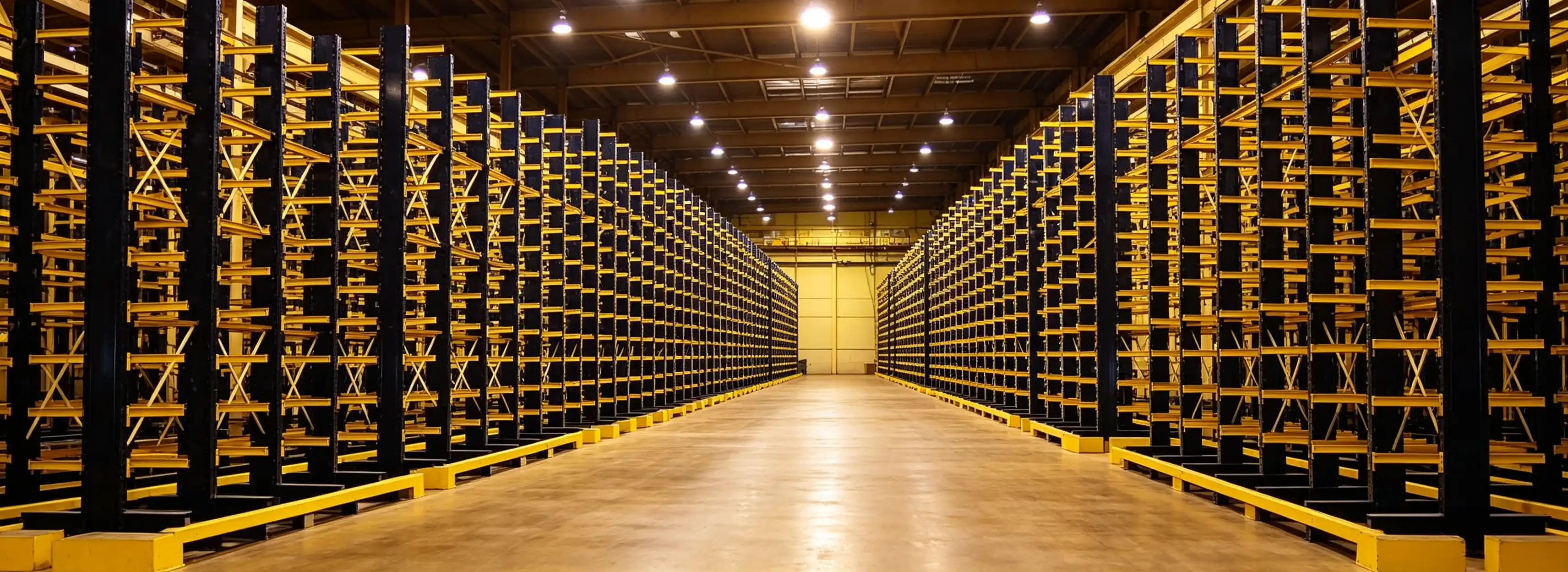
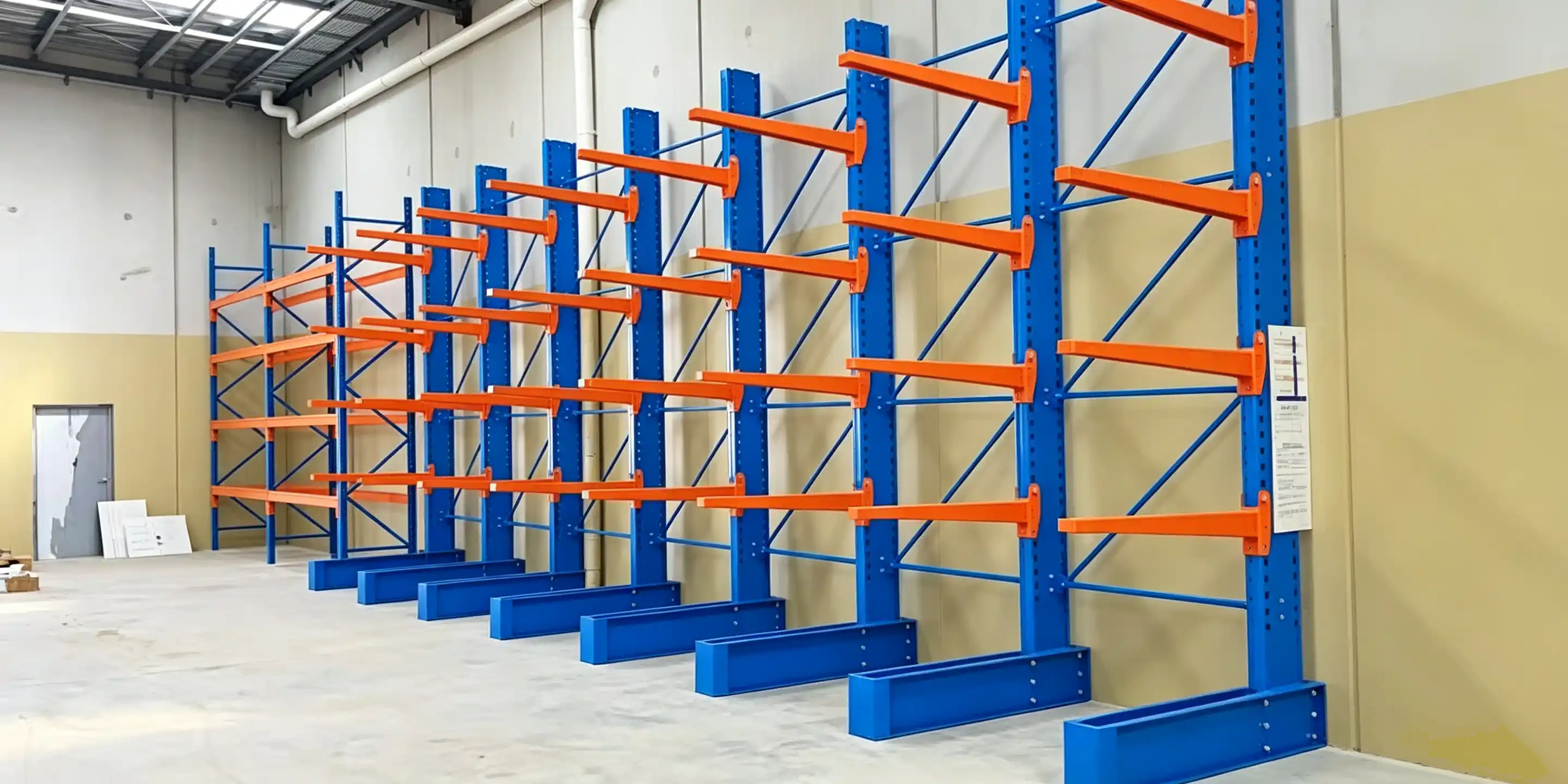
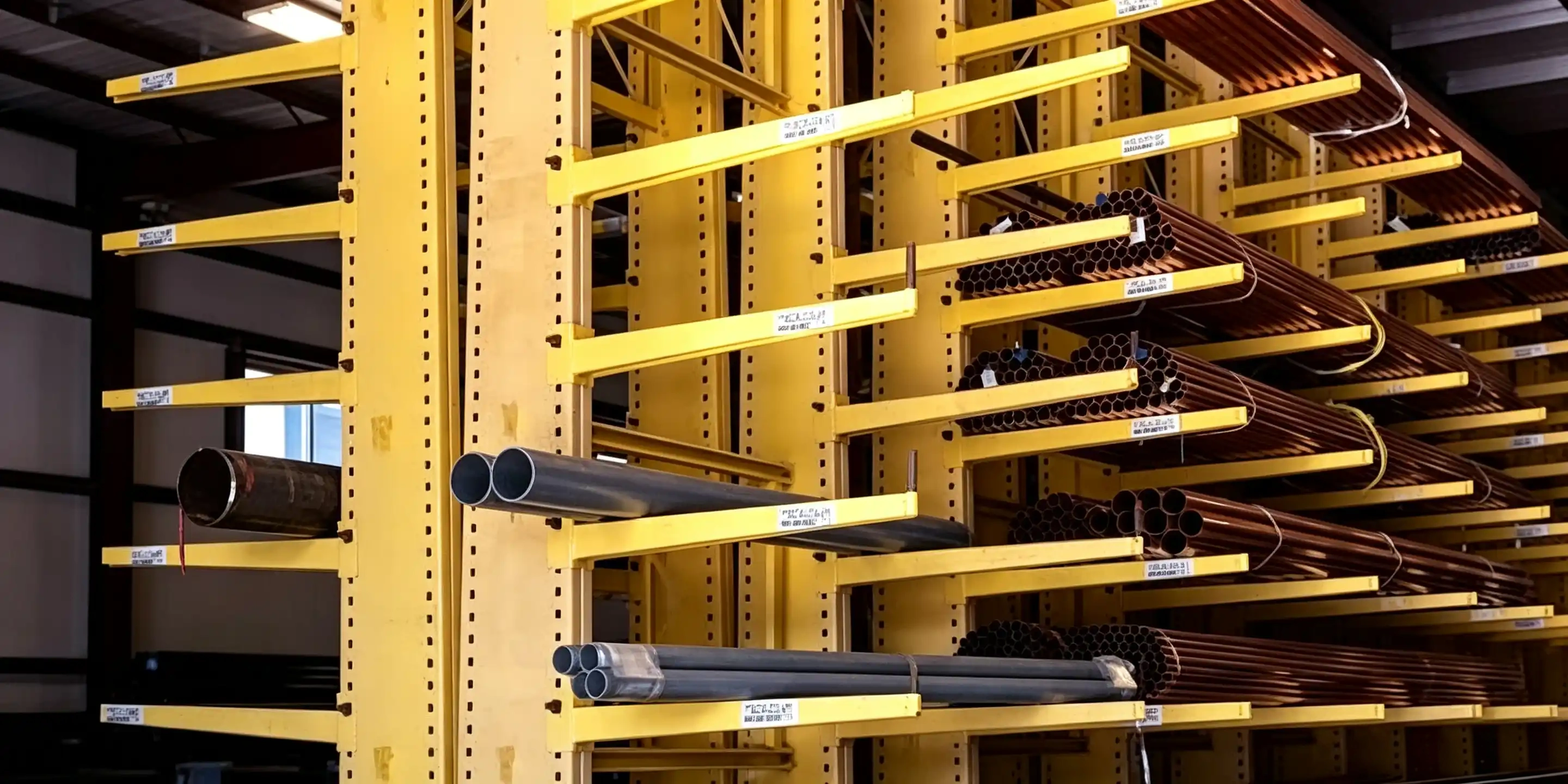
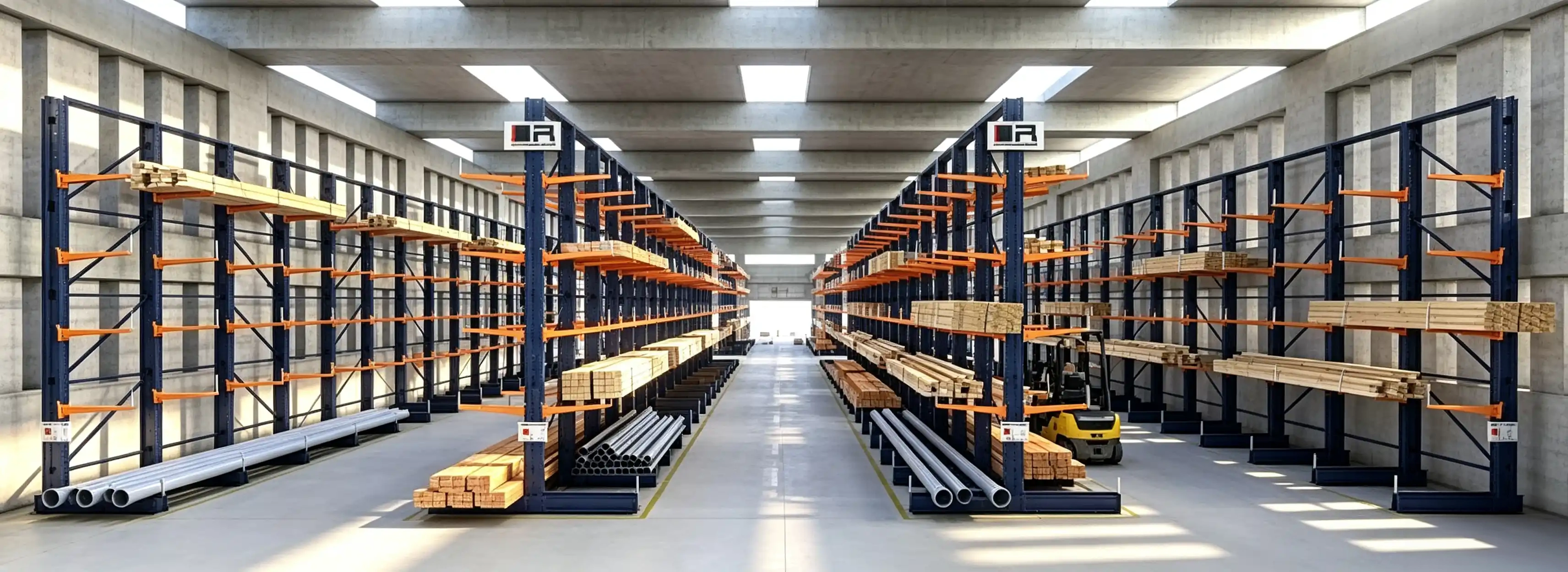
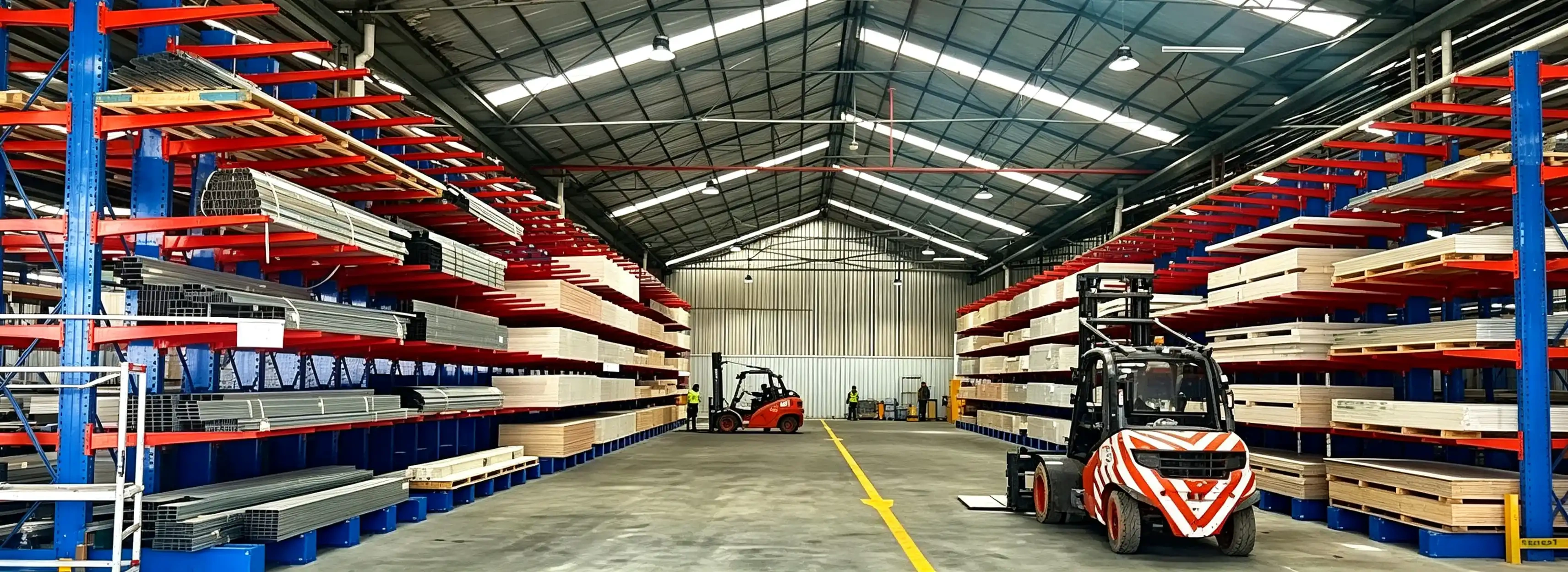
Cantilever racking is essential for storing long, bulky and irregular goods such as pipes, steel profiles, lumber and construction materials. Ideal for warehouses, factories and logistics yards, this storage system maximizes vertical space, improves access efficiency and cuts operational costs. Now let's take a closer look at our cantilever racking.

Capacity:10-400TPH
Capacity:10-400TPH
Capacity:10-400TPH
种类
Our asphalt mixing plants for sale are solving key industry challenges—complex operations, slow startup, and tough management. With a presence in over 150 countries and partnerships with Fortune 500 companies, we deliver reliable, high-performance solutions. Explore our global cases to see how we make a difference.

Mobile Drum Mix Asphalt Plant in Ecuador

    Capacity: 80 TPH Model: ALQ-80 Project Location: the Philippines Mobility: Stationary Type Application Scenario: Asphalt Plant in the Philippines for Maintenance of Urban and Rural Roads Customer Review: “We use the ALQ-80 for road repairs across towns and provinces. It’s easy to operate—even our less experienced staff picked it up quickly. The one-click control and stable output really help us stay on schedule.”

优势

Cantilever racks are specifically designed for the storage of extra-long and irregularly shaped materials such as pipes, profiles, timber, and steel plates. Breaking through the limitations of traditional racking column structures, they optimize the storage system from multiple dimensions, including space utilization, access efficiency, flexibility, structural safety, and goods protection. They represent a standardized and efficient solution for storing long-sized goods, with the following core advantages:

Dedicated Storage for Long Profiles

No front-mounted columns obstructing the view, suitable for 6m/12m long materials, including pipes, timber, and boards, addressing the shortcomings of conventional shelving for long goods storage..

Highly Efficient and Compact Warehouse Space

Saves 30%-50% of warehouse floor space compared to floor stacking; single/double-sided layout adapts to narrow warehouse areas; aisle width reduced to a minimum of 1.5-2m, significantly increasing warehouse density.

Efficient and Fast Storage and Retrieval

Open side-loading structure allows forklifts and manual labor to directly access goods without palletizing or repositioning, improving picking efficiency by over 40%..

Modular and Flexible Construction

All-bolt, weld-free assembly, rapid completion in 1-3 weeks; adjustable cantilever height and length support disassembly, relocation, and future expansion; reusable assets control costs.

High-Strength Structure for Safety and Compliance

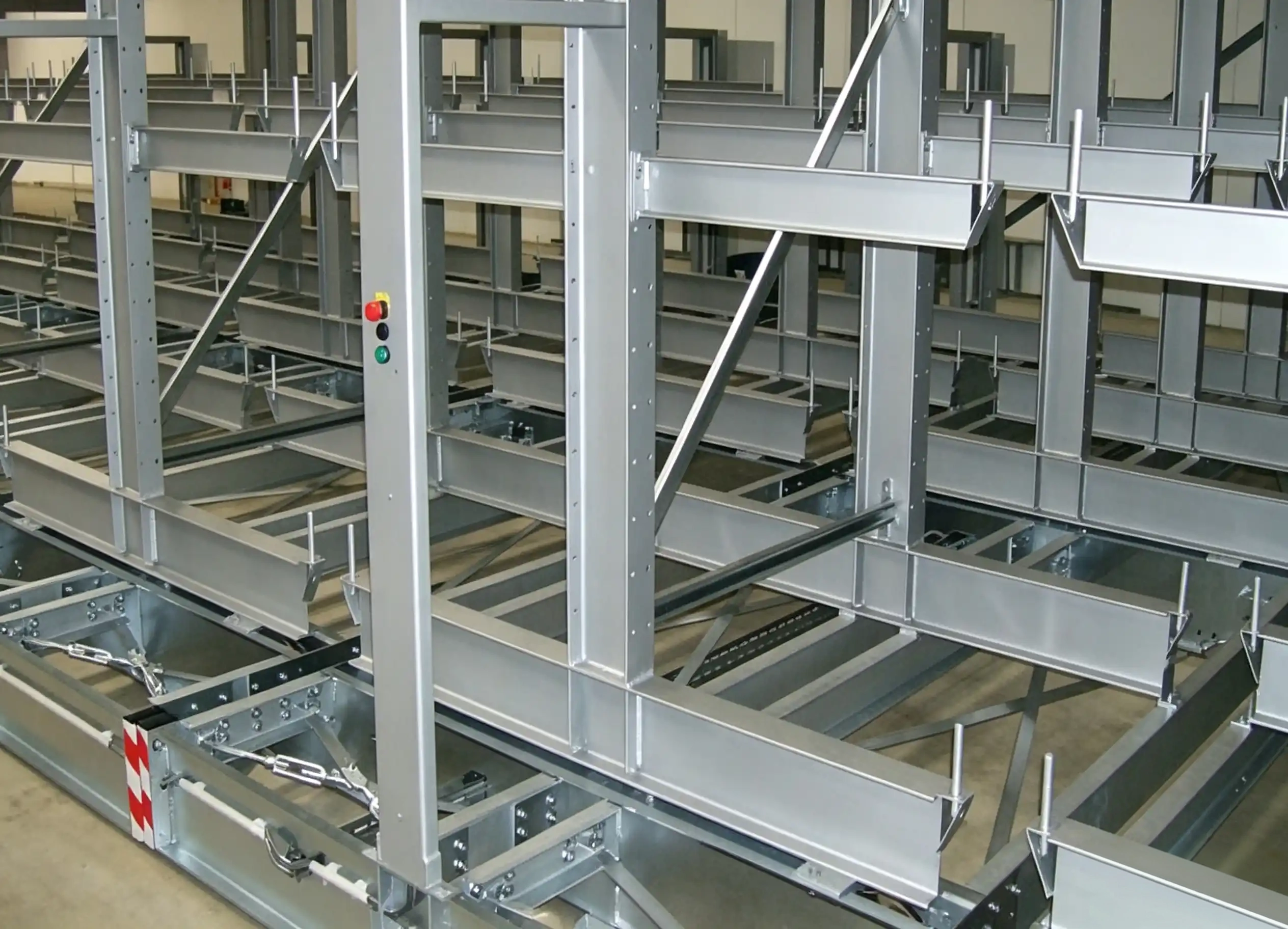
High-strength thickened steel with reinforced columns and cantilever arms; base counterweight + ground anchoring + diagonal bracing for anti-tipping, meeting FEM and EN standards. International Warehouse Safety Standards.

Material Protection to Reduce Losses and Consumption

Smooth, blunt-edged cantilever arms with no sharp edges; straight/slanted arms for anti-slip and anti-rollover protection; even force distribution on goods; prevention of squeezing, scratches, and deformation; and reduction of material scrap and loss.

How Cantilever Racks Work?

Choosing the right asphalt plant depends on your specific needs, such as asphalt mixing plant capacity capacity, mobility, budget, and project requirements. Below is a concise guide to help you learn how to choose the right asphalt plant:
Unobstructed access from the front
With only one end of the cantilever fixed to the upright, there are no crossbeams obstructing the front of the rack, allowing forklifts to directly approach and place long materials such as steel pipes and planks horizontally on multiple cantilever sections without the uprights interfering with operations
Two main design options
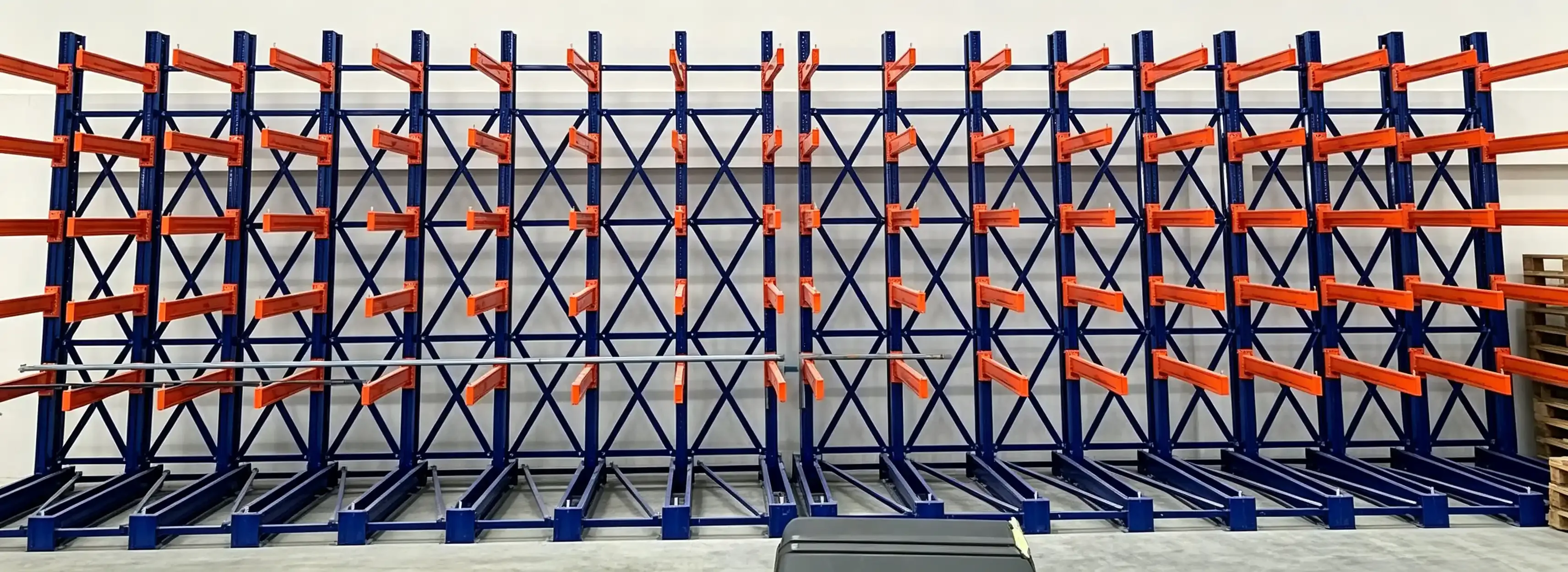
Single-sided cantilever racks are suitable for placement close to a wall, utilizing the wall for stability; double-sided cantilever racks have load-bearing arms on both sides, placed in the middle of warehouse aisles, allowing loading and unloading from both sides.
Adjustable cantilever spacing
The spacing between the upper and lower cantilever sections can be adjusted according to the length of the stored materials, providing multiple points of support for long items and preventing bending or deformation due to excessive weight and unsupported loads.
Flat cantilever racks for storing flat materials
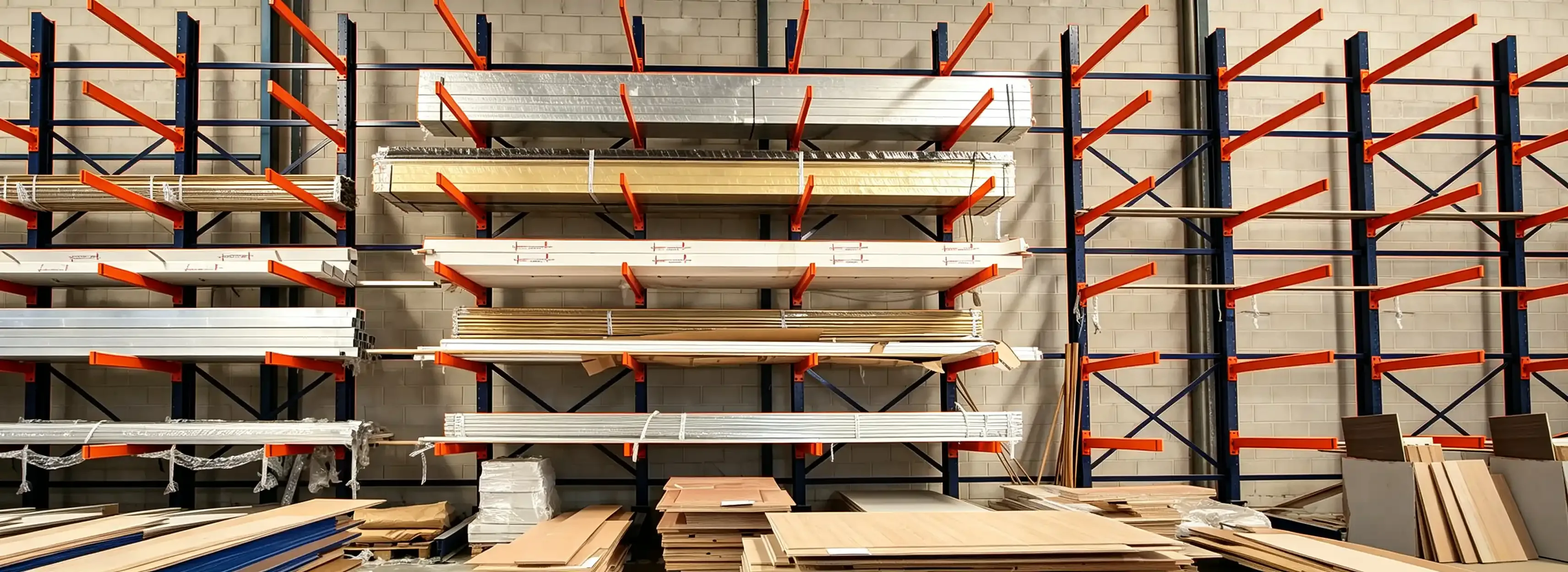
Flat cantilever racks have a smooth load-bearing surface, suitable for stacking flat, regular items such as planks, boards, and long steel plates, ensuring stable placement and preventing shifting.
Inclined cantilever arms prevent round materials from rolling off
The angled cantilever arms provide anti-slip and limiting effects, securing round materials such as steel pipes, round tubes, and coils to prevent them from rolling and falling, thus improving warehouse safety.
Cantilever structure adapts to long material storage
Utilizing a single-sided cantilever mechanical structure, it breaks through the size limitations of ordinary shelving and is specifically designed for the professional storage of long profiles, timber, and pipes that are inconvenient to store on conventional shelving.
Familiarity with the working principles of cantilever racks enables quick selection of single-sided/double-sided models and matching of straight or angled arms, avoiding safety hazards during warehouse storage and retrieval. It also allows for the rational planning of placement and forklift operation processes, maximizing the rack's load-bearing capacity and extending the equipment's lifespan.

cantilever rack types

When considering an investment in an asphalt mixing plant, the price is an important factor. AIMIX asphalt plant prices range from $50,000 to $1,000,000, depending on the type, capacity, and configuration. However, the price of the plant is just one part of the total investment, and there are several other factors to consider.

Factors Affecting Asphalt Plant Price

    Plant Type & Capacity – Batch asphalt plant for sale typically cost more than drum mix plants. Customization Options – Add-ons like dust collection systems or RAP systems can increase costs. Technology & Automation – Advanced control systems may add value but also affect pricing.

Factors Affecting Asphalt Plant Price

    Plant Type & Capacity – Batch asphalt plant for sale typically cost more than drum mix plants. Customization Options – Add-ons like dust collection systems or RAP systems can increase costs. Technology & Automation – Advanced control systems may add value but also affect pricing.

影响价格的因素

Cantilever rack prices fall into three main ranges by load and material: Light duty cantilever rack at $120–$600 per set, medium & heavy duty models from $600–$3800 per set, and imported heavy galvanized cantilever systems $3800–$9500 per full bay. The exact quotation is affected by multiple key factors as listed below.
Warehouse Site Suitability Parameters
Pre-calculate warehouse ceiling height, aisle width, and floor load-bearing capacity to match rack upright height, cantilever extension, and single/double-sided structure, avoiding dimensional mismatches that prevent installation upon arrival.
Rated Load Capacity and Goods Type
Determine the single-arm load capacity based on the weight of pipes, profiles, and plates. Heavy-duty models use thicker profiles. Differentiate between round material inclined arms and flat material straight arms to prevent insufficient load-bearing capacity and safety hazards.
International Safety Standard Compliance
Confirm product compliance with FEM and EN warehouse steel structure standards, request original manufacturer load test reports, and ensure compliance with domestic factory safety inspection requirements to avoid failing site audits.
Steel Material and Anti-corrosion Process
Differentiate between indoor powder coating and outdoor hot-dip galvanizing. Hot-dip galvanizing is preferred in humid coastal areas and chemical storage areas. Determine material thickness standards in advance to avoid rust damage and increased replacement costs.
Complete Parts and Accessories List
Verify that the counterweight base, anchor bolts, cross braces, and anti-tipping accessories are included with the shipment. Purchasing imported parts separately is time-consuming and expensive; pre-packaging complete parts reduces overall costs.
Import and Export Customs Duties
Check the corresponding customs code and tax rate for the steel racking; calculate import duties, VAT, and customs clearance fees. For large items, plan ahead for sea/land container loading costs.
Logistics and Delivery Time
Cantilever racks are extra-long items, requiring customized container loading solutions. Confirm overseas production cycles and sea freight delivery times, and allow for warehousing and inventory buffer periods to avoid material shortages and work stoppages.
Installation, After-Sales, and Customization Services
Confirm whether the supplier provides overseas drawings and on-site technical guidance in China. Non-standard lengthening, heightening, and heavy-duty modifications will extend delivery times and increase costs. Also, confirm the after-sales service timeline for replacement parts.
Cantilever rack prices vary significantly, and multiple factors shape the total cantilever rack cost.

Guide to Wholesale Cantilever Racks

Cantilever racks are specialized equipment for storing long profiles. Wholesale directly from the source factory is the optimal way to reduce procurement costs. However, there are significant differences in materials, pricing, and delivery standards within the industry, leading to hidden risks of loss and quality issues during the procurement process. This guide provides a complete set of sourcing techniques and risk control points to help buyers secure stable, high-quality, cost-effective supplies.
Factory Screening Techniques
Identify Genuine Source Factories and Avoid Middlemen/Shell Companies Verify Qualifications: Check business licenses, factory videos, production lines, welding/painting equipment. Reject middlemen who only have showrooms without production facilities. Check Export Support: Prioritize manufacturers with export qualifications, FOB capabilities, and experience with full container overseas orders. Their foreign trade wholesale support is more mature. Multiple Supplier Strategies: Maintain 2-3 main factories + 1 backup factory to prevent price increases, delays, or stockouts from a single factory, giving you more leverage in negotiations. Matching Scale: Select small to medium-sized factories for small-batch trial orders (flexible MOQ); select large-scale factories for long-term full container wholesale, offering lower tiered pricing.
Negotiation Techniques for Tiered Wholesale Pricing
Tiered Base Price Negotiation Logic Trial Order (1-5 sets): Base factory price, no large discounts, negotiable for free shipping/basic accessories; used to verify sample quality. Regular Batch (6-30 sets): Proactively request a 5%-10% wholesale discount, and strive for free material stoppers, base accessories, and simple installation drawings. Full Container Wholesale (20GP/40GP): Negotiate a significant discount of 12%-20%, and request free packaging fees, priority production scheduling, and free warehouse layout solutions. Bargaining Strategy (Factory Easier to Make Concessions) Commit to a fixed annual purchase volume, sign an annual framework agreement, and lock in the lowest price throughout the year. Cash on delivery, full prepayment of deposit, and timely payment will encourage the factory to offer price reductions and prioritize production. Mixed Batch Orders: Order light-duty + medium-duty + heavy-duty cantilever cranes in combination to increase the total order amount and obtain a lower average price. Off-Season Orders: The factory has the most room for negotiation during periods of low capacity (the industry's off-season). All Hidden Costs Clearly Discussed in Advance, Preventing Price Increases After Ordering Written confirmation is required regarding the inclusion of: steel raw materials, welding processing, electrostatic powder coating/hot-dip galvanizing, standard screws and accessories, packaging wooden frames, domestic port loading and unloading fees, commodity inspection documents, and installation drawings; Separate charges should be listed separately to prevent additional charges for painting, cutting, packaging, and documentation later.
Product Parameter Locking
Mandatory Written Specifications for All Standards Before Ordering: Structure: Single/Double-sided, Column Height, Number of Cantilever Layers, Single Arm Length, Single Arm Rated Load Capacity (with an additional 15% safety margin). Steel Standards: Column/Cantilever steel grade (Q235/Q355), actual plate wall thickness. It should be agreed that the thickness can be measured with calipers upon arrival; insufficient thickness will result in rejection and a refund. Surface Treatment: Indoor electrostatic powder coating thickness; outdoor coastal models must specify hot-dip galvanizing process. Accessories Specifications: 8.8 grade high-strength bolts, counterweight base, anti-slip feet, and material stop bars must be included in the complete set; no omissions are allowed. 2. Sample First Rule: Samples must be sent first for all styles to test load capacity, welding strength, and rust-proof coating effect; bulk orders must be completely consistent with the samples. The contract must state that any discrepancies between the sample and the order will result in a full refund or exchange.
Order, Delivery Date, and Payment Considerations for Wholesale
1. MOQ (Minimum Order Quantity) Negotiation Techniques For existing stable distribution clients: Explain the long-term reorder potential to the factory and negotiate a lower trial order minimum. For multi-style group orders: Combine multiple cantilever rack styles into one order to meet the factory's batch size threshold and enjoy wholesale pricing. 2. Delivery Date Control Key Points Agree in writing on the number of production days after the deposit is received, and allow an additional 7-10 day buffer period to cope with production delays. For large wholesale orders, request actual workshop videos during production to track progress and prevent shoddy workmanship and delayed delivery. Clearly define late payment compensation: Agree to deduct from the payment daily for late delivery. 3. Payment Risk Control (Mainstream for Foreign Trade Wholesale) Standard: 30% deposit for production, 70% balance before shipment. Refuse full prepayment to private accounts; transfers to corporate accounts are more secure. For long-term stable large clients: 10%-20% balance payment upon receipt of a copy of the bill of lading is negotiable. Full prepayment and private account payments are strictly prohibited, as they greatly increase the difficulty of protecting your rights in case of quality disputes.
Packaging, Shipping, and Inspection: Key Points for Wholesale Operations
Packaging Requirements: Columns and cantilever racks should be packaged separately with reinforced wooden frames to prevent damage, paint chipping, and deformation during transportation. Export orders must include customized markings, packing lists, volume, and weight. Pre-shipment Inspection: For full container wholesale, factory inspection is mandatory. Random checks should be conducted on steel wall thickness, welding, load-bearing capacity, and the completeness of accessories. Non-conforming batches will be reworked by the factory, with the supplier bearing the costs. Container Loading Calculation: Have the factory calculate the number of units per container in advance to maximize container capacity and reduce per-unit sea freight costs.
After-sales Service, Warranty, and Long-Term Wholesale Cooperation Tips
Written Warranty Agreement: Standard powder-coated shelving has a 1-2 year warranty, hot-dip galvanized shelving has a 3-5 year warranty, and free replacement parts will be sent for welding cracks and steel deformation. Long-Term Cooperation Benefits: Annual purchase targets qualify for annual rebates, priority access to new products, and free overseas customer warehouse layout design. After-sales response: Agreed-upon replacement timelines for spare parts; expedited production is prioritized for overseas wholesale customers with urgent needs.
Frequently Asked Pitfalls in Wholesale
Ultra-low price trap: Prices far below the industry average likely involve reduced steel wall thickness, omission of phosphating and coating processes, and substandard load-bearing capacity, posing safety hazards. Verbal promises are invalid: Load-bearing capacity, materials, discounts, and delivery dates are all stipulated in the sales contract; verbal agreements offer no basis for claims. Vague load-bearing specifications: Only load-bearing capacity is listed without specifying cantilever span or floor height; the actual load-bearing capacity upon delivery is far lower than advertised. Split pricing tactics: Low price for bare frames, with additional charges for spare parts, packaging, documentation, and cutting fees, significantly increasing overall costs. Unlicensed small workshops: No quality inspection, no export documents; overseas customs clearance and safety testing are prone to problems, resulting in lost end customers.
In summary, the key to sourcing cantilever racks wholesale from manufacturers lies in selecting reputable source factories and finalizing clear material and pricing standards. The entire procurement process must be bound by a written contract, controlling crucial stages such as production inspection, payment, and delivery to avoid potential problems like discounted prices with reduced features or delayed delivery. Following these wholesale techniques and standardizing the procurement process can not only reduce procurement costs but also establish long-term, stable, and low-risk supply partnerships.

Advantages of Cantilever Racks

Cantilever racks are specifically designed for storing long, narrow profiles and heavy materials, offering several unique and practical advantages over traditional racks. Key highlights include:
Adaptable to long and irregularly shaped materials, offering wider versatility
The absence of front beams obstructing the view breaks through the limitations of traditional pallet racking, allowing stable storage of extra-long and irregularly shaped materials such as pipes, steel, aluminum profiles, long strips of sheet metal, and irregularly shaped workpieces. Suitable for all types of long and narrow goods storage in building material factories, processing plants, and warehouse storage yards, solving the pain points of material stacking, tipping, and difficult management
Stable load-bearing capacity with national standard profiles, ensuring high operational safety
Constructed with thickened Q235/Q355 national standard steel, coupled with reinforced diagonal braces, an integrated counterweight base, and reinforced welded cantilever arms, available in light, medium, and heavy-duty specifications. The structure is resistant to bending and tipping, with balanced stress distribution, suitable for high-frequency forklift heavy-duty operations, meeting industrial warehousing safety standards, and extending equipment lifespan
Fully open and transparent structure for efficient warehousing operations
Open, unobstructed design allows for full visibility of goods, enabling storage and retrieval without moving surrounding items. It is compatible with forklifts, overhead cranes, and manual retrieval methods, simplifying inventory counting, sorting, and outbound processes, reducing secondary handling, and significantly improving warehouse inbound and outbound efficiency
Modular and adjustable design adapts to multiple scenarios
The modular, split structure allows for stepless adjustment of cantilever height, arm length, and quantity. It supports single-sided wall mounting and double-sided combination installation. Limit bars and tiered partitions can be added as needed, adapting to indoor warehouses, outdoor open-air storage yards, and diverse storage scenarios for materials of varying sizes.
Convenient assembly and disassembly, reusability, and low long-term investment costs
Utilizing a high-strength bolt-assembled structure, no on-site welding is required, saving time and effort during installation. The racks can be completely disassembled, transported, and reassembled for reuse. Warehouse renovations and factory relocations do not require equipment scrapping, reducing the cost of iterative procurement of warehousing equipment for enterprises.
Three-dimensional expanded storage saves warehouse floor space
Utilizing a high-rise vertical storage design, it replaces inefficient flat-stacking, effectively increasing warehouse utilization by 30%-60%. It streamlines warehouse traffic flow, provides forklift access, and increases storage capacity without requiring factory expansion
Optional anti-corrosion processes adaptable to complex conditions
Standard configuration includes pickling, phosphating, and electrostatic powder coating, providing wear resistance, rust prevention, and minimal paint peeling. Optional outdoor hot-dip galvanizing offers moisture resistance, acid and alkali resistance, and salt spray corrosion resistance, suitable for various harsh storage environments such as dry inland factories, rainy coastal storage yards, and humid workshops, minimizing maintenance burden
Comprehensive and easy-to-manage components suitable for bulk procurement
Equipped with safety components such as corner protectors, anti-slip sleeves, and limiters to prevent goods from slipping and forklift collision damage. All types of accessories are interchangeable, supporting standardized mass production and customized container supply, suitable for overseas wholesale, project bulk procurement, and unified operation and maintenance of chain warehouses.

应用领域

As dedicated open-storage racking system, cantilever racking excels in storing lengthy, bulky and non-standard goods, applicable to diversified industrial warehousing fields as follows:

Building Material & Lumber Storage Field

    Perfect for stacking raw timber, wood panels, building trim parts, aluminum extrusion and plastic profiles, fit for timber mills, building material depots and custom cabinet warehouses.

Metal Profile & Tubing Warehouse Use

    Built to hold metal raw materials including seamless pipes, metal rods, angle steel and sectional steel, ideal for metal fabricators, steel trading firms and machining workshops.

Household Product & Furnishing Workshop

    Designed for storing furniture structural parts, solid wood strips, decorative rods and sanitary hardware tubes, serving furniture plants and home goods wholesale warehouses.

Electrical Pipeline & Ventilation Project

    Compatible with storage of wiring ducts, power busbars, plastic piping and ventilation ducts, catering to inventory management of electric manufacturers and HVAC project contractors.

Long-Goods Logistics & Wholesale Center

    Enable efficient stock rotation, order picking and centralized inventory management, customized for third-party logistics warehouses and long-cargo dedicated distribution sites.

Weatherproof Outdoor Bulk Material Storage

    Equipped with custom weatherproof shelters, it supports outdoor placement of heavy long materials, freeing up indoor warehouse space for regular packaged goods.

Cantilever Racks vs Pallet Racks: Which Is Right for You?

Although cantilever racks and pallet racks both belong to heavy-duty storage racking, their structural designs and applicable scenarios differ significantly. Selection must be based on the type of goods and the warehouse layout. The core differences between the two are as follows:
Suitable Goods for Storage
Cantilever racks are suitable for long, irregularly shaped, and large items such as pipes and profiles; pallet racks are suitable for standard palletized boxes and regular goods.
Access Aisle Structure
Cantilever racks have no beams obstructing access, allowing for front and side access; pallet racks only allow frontal access and require a dedicated forklift aisle.
Space Utilization Focus
Pallet racks are primarily designed for high-rise, high-density vertical storage; cantilever racks excel at utilizing lateral space along walls, making them suitable for narrow and long warehouses.
Installation and Expansion Difficulty
Both are modular and expandable; pallet racks are simpler to assemble, disassemble, and adjust, while cantilever racks require careful load-bearing balance and reinforced support structures.
Supported Handling Equipment
Pallet racks are compatible with various forklifts and automated warehousing equipment; cantilever racks require more precise space management from operators when storing and retrieving long and narrow materials.
torage Stacking Density
Pallet racks allow for dense stacking, resulting in higher storage capacity; cantilever racks, with their unobstructed design, cannot achieve high-density stacking
Visibility and Sorting Efficiency
Cantilever racks offer full visibility of goods, allowing for easy retrieval without moving surrounding items; pallet racks have poorer visibility of inner-layer goods.
Maintenance and Inspection
Pallet racks are easy to install, and inspection frequency can be flexibly adjusted; cantilever racks have a more complex load-bearing structure, requiring daily checks on cantilever welding and counterweight stability; both require regular rust removal and repair of deformed parts

How to install a cantilever rack?

Cantilever racks are modular heavy-duty storage equipment, and the standardization of their installation directly determines their overall load-bearing stability and the safety of storage operations. Please strictly follow standardized construction procedures, ensuring proper site calibration, structural reinforcement, and ground anchoring throughout the entire process. Additionally, ensure all necessary safety accessories are installed to guarantee the long-term compliant and safe use of the racks.

Site Survey and Preliminary Preparation

    1. Ground Condition Verification: The racking can only be installed on a level, solidified concrete surface that meets load-bearing standards. For uneven areas, steel shims should be used for leveling. 2. Warehouse Area Positioning and Layout: Use a laser pointer or ink line to mark the installation baseline for the base and uprights, reserving standard passageways suitable for forklift operations. 3. Pre-inspection of Installation Components: Inventory and verify the uprights, cantilever arms, fasteners, and support pipes. Screen for deformed, damaged, or non-compliant components to avoid rework.

Horizontal Assembly of Base and Uprights

    1. Laying and Assembling Components: Lay the uprights flat on the ground, align them with the integrated counterweight base, and manually pre-tighten the connectors, leaving room for later fine-tuning. 2. Marking Cantilever Points: Based on material dimensions, mark the cantilever installation height, pre-install and temporarily fix the cantilever components.

Frame Erection and Overall Reinforcement

    1. Vertical Frame Positioning: Based on the rack height and weight, use forklifts, lifting equipment, or manpower to vertically position the assembled frame. 2. Installation of Bracing: After two adjacent sets of uprights are erected, immediately install horizontal tie rods and diagonal braces, locking and reinforcing them in the order of middle—top—bottom to ensure frame stability.

Cantilever Assembly and Safety Accessory Installation

    1. Cantilever Locking: Embed the cantilever into the upright slot, using a special cantilever pin + cotter pin double limit to prevent the cantilever from slipping or shifting during operation. 2. Installation of Anti-Slip Accessories: When storing easily slippery materials such as pipes, logs, and profiles, install cantilever end-stop devices. 3. Installation of External Protection: Install anti-collision corner guards on the uprights along the warehouse aisle, and install wall-mounted fasteners on racks against walls to improve impact resistance and anti-tipping capabilities

Ground Anchoring and Correction Completion Acceptance

    1. Ground Anchoring: After leveling and verticalizing the frame, it must not be used exposed. Use heavy-duty expansion bolts to anchor the frame to the ground through the pre-drilled holes in the base. 2. Full-Area Bolt Tightening: Re-measure the horizontal and verticality of the frame. Tighten all structural connection bolts to the manufacturer's standard torque. 3. Layered Load Testing: Place rated weights in layers for pressure testing. Check that the frame has no offset, bending, or abnormal noise, confirming that the load-bearing capacity meets the standard. 4. On-Site Finishing and Handover: Clean up installation hardware waste, affix load-bearing limit and forklift operation warning signs, and complete the installation and handover.

How to find suitable cantilever racking manufacturers

The qualifications, materials, craftsmanship, and export services of cantilever rack manufacturers on the market vary greatly. Choosing a suitable and reliable original manufacturer is the core prerequisite for controlling product quality, procurement costs, and ensuring delivery and after-sales service. The following article details the key points for selecting a high-quality cantilever rack manufacturer.

Finalize Warehouse Site Parameters in Advance for Accurate Manufacturer Quotes

    Before contacting manufacturers for quotes, compile complete basic warehouse information in advance to ensure that the manufacturer's solutions and quotations accurately match the site conditions, avoiding rework due to size modifications later: 1. Product Parameters: Confirm the length, outer diameter, and shape of long and irregularly shaped materials, covering types such as pipes, logs, steel plates, and profiles; 2. Load-Bearing Parameters: Determine the rated load of a single cantilever and the overall load limit of a single column, reserving a safety margin; 3. Warehouse Area Parameters: Calculate the available floor area, warehouse net height, forklift turning radius, and plan the width of storage and retrieval aisles; 4. Operating Conditions: Differentiate between indoor ambient temperature storage (using powder-coated racks) and outdoor open-air or coastal high-salt-spray sites (using hot-dip galvanized anti-corrosion racks); 5. Operation Frequency Parameters: Inform in advance of the daily forklift storage and retrieval frequency and whether it is 24-hour high-frequency operation, facilitating the manufacturer to match the reinforcement structure level.

Comprehensive Verification of Manufacturer Qualifications and Production Capabilities

    To ensure the structural safety and lifespan of the shelving units, procurement requires a thorough verification of the manufacturer's qualifications and production standards: 1. Compliance Certifications: Prioritize manufacturers adhering to SEMA, FEM, and Eurocode 3 European warehouse design standards, ensuring products meet international industrial shelving safety specifications; 2. Material and Manufacturing Process Differentiation: Hot-rolled I-beam steel is used for heavy-duty, high-frequency operations, while cold-rolled steel is used for light-duty, conventional warehousing, matching material grades as needed; 3. Customization and Adaptability: Reputable manufacturers support non-standard customization of cantilever length, rack height, and bracing structures, adapting to irregularly shaped materials and non-standard warehouse modifications. They maintain ample inventory of modular standard models, and customized models have controllable implementation cycles; 4. Parts Universality: Verify the standardization of original bolts, safety pins, bases, and other parts to ensure seamless global replenishment and parts replacement; 5. Quality Control Process: Verify the full inspection process before shipment, ensuring each rack is inspected for verticality, load-bearing capacity, and welding quality to prevent defective goods from leaving the warehouse

Comparing Manufacturer Supporting Services and Selecting Compliant Procurement Channels

    1. One-Stop Service Provider Selection: Leading shelving manufacturers can provide full-process supporting services, including on-site surveys, 3D warehouse layout drawings, export logistics, and on-site installation, suitable for centralized procurement in engineering projects; 2. Overseas Cross-Border Procurement Channels: Cross-border procurement can rely on B2B platforms and professional foreign trade supply chains to screen source factories. Before cooperation, request original steel manufacturer material certificates and third-party testing reports, and verify the reputation of overseas customers; 3. Key Points for Avoiding Channel Pitfalls: Avoid intermediaries and subcontractors, prioritize direct connections with source factories with their own production lines, and control over production processes, ex-factory prices, and export delivery timelines; 4. After-Sales Time Difference Adaptability: For foreign trade procurement, prioritize manufacturers with multi-country time zone coordination teams and overseas agent after-sales service to quickly handle installation failures and product reshipment issues; 5. Sample Services: High-quality manufacturers support free sample delivery and material testing verification, and bulk orders can be strictly produced according to sample processes.

Key Risk Control Points for Exclusive Cooperation in Foreign Trade Wholesale

    1. Quotation Risk Control: Require manufacturers to provide detailed quotations including tax, packaging, loading, and documentation, with no hidden costs for non-standard cutting, drilling, or reinforcement; 2. Transaction Risk Control: Contracts must be signed and fulfilled through official channels, ensuring load-bearing capacity, corrosion protection, and compensation for delays. Full prepayment and transactions through private accounts are prohibited; 3. Delivery Risk Control: Confirm export packaging standards and container unpacking plans, verify the timeliness of all customs clearance documents, and ensure smooth cross-border customs clearance and on-time shipping; 4. Long-Term Cooperation Risk Control: Verify the manufacturer's raw material price lock-in policy and consider signing an annual procurement agreement to mitigate the risk of rising steel raw material prices; 5. Return and Exchange Terms: Agree in advance on cross-border return and exchange rules and rework compensation for discrepancies in bulk product quality or dimensions, clearly defining the logistics responsibilities of both parties; 6. Compliance Additional: Confirm that products can provide fumigation certificates and certificates of origin, complying with customs access requirements in Europe, America, and Southeast Asia.

Frequently Asked Questions About Plant Mix Asphalt

When considering an asphalt production plant, customers often have additional questions and considerations. We have collected some frequently asked questions about asphalt batching plant for sale from our customers. The following are detailed answers to some common questions that will help you make an informed decision.
How to Ensure the Quality of Asphalt Mixture?
How to Ensure the Quality of Asphalt Mixture?How to Ensure the Quality of Asphalt Mixture?How to Ensure the Quality of Asphalt Mixture?
How to Ensure the Quality of Asphalt Mixture?
How to Ensure the Quality of Asphalt Mixture?How to Ensure the Quality of Asphalt Mixture?How to Ensure the Quality of Asphalt Mixture?
How to Ensure the Quality of Asphalt Mixture?
How to Ensure the Quality of Asphalt Mixture?How to Ensure the Quality of Asphalt Mixture?
How to Ensure the Quality of Asphalt Mixture?
How to Ensure the Quality of Asphalt Mixture?How to Ensure the Quality of Asphalt Mixture?

Contact Us Now!

Contact us now via email: info@stackshelves.com, or fill in the form below.

Please specify your requirement by referring to the following aspects:

    1- Describe the type of project (e.g., logistics warehouse, cold storage, factory workshop, tire storage center, e-commerce fulfillment hub, etc.).

    2- List the specific racking or type (e.g., pallet racking, cantilever racking, tire racking, industrial shelving, heavy duty storage rack, etc.).

    3- Tell us your estimated rack installation or project launch date.

    4- Detail your specific requirements or expectations (e.g., warehouse size, load capacity, storage environment, etc.).

    5- If you are interested in becoming our distributor, please let us know.

*We respect your privacy, and will not share your personal information with other entities.

Contact Us Now!

Contact us now via email: info@stackshelves.com, or fill in the form below.

Please specify your requirement by referring to the following aspects:

    1- Describe the type of project (e.g., logistics warehouse, cold storage, factory workshop, tire storage center, e-commerce fulfillment hub, etc.).

    2- List the specific racking or type (e.g., pallet racking, cantilever racking, tire racking, industrial shelving, heavy duty storage rack, etc.).

    3- Tell us your estimated rack installation or project launch date.

    4- Detail your specific requirements or expectations (e.g., warehouse size, load capacity, storage environment, etc.).

    5- If you are interested in becoming our distributor, please let us know.

*We respect your privacy, and will not share your personal information with other entities.