Tire Rack

  • Reliable Asphalt Production – Asphalt Mixing Plant for Smart Control & Efficient Production; Produce More, Waste Less: 20% faster output with 15% lower fuel costs vs. standard plants.; No Compromise on Quality: High-grade asphalt for roads lasting 10+ years, batch after batch.

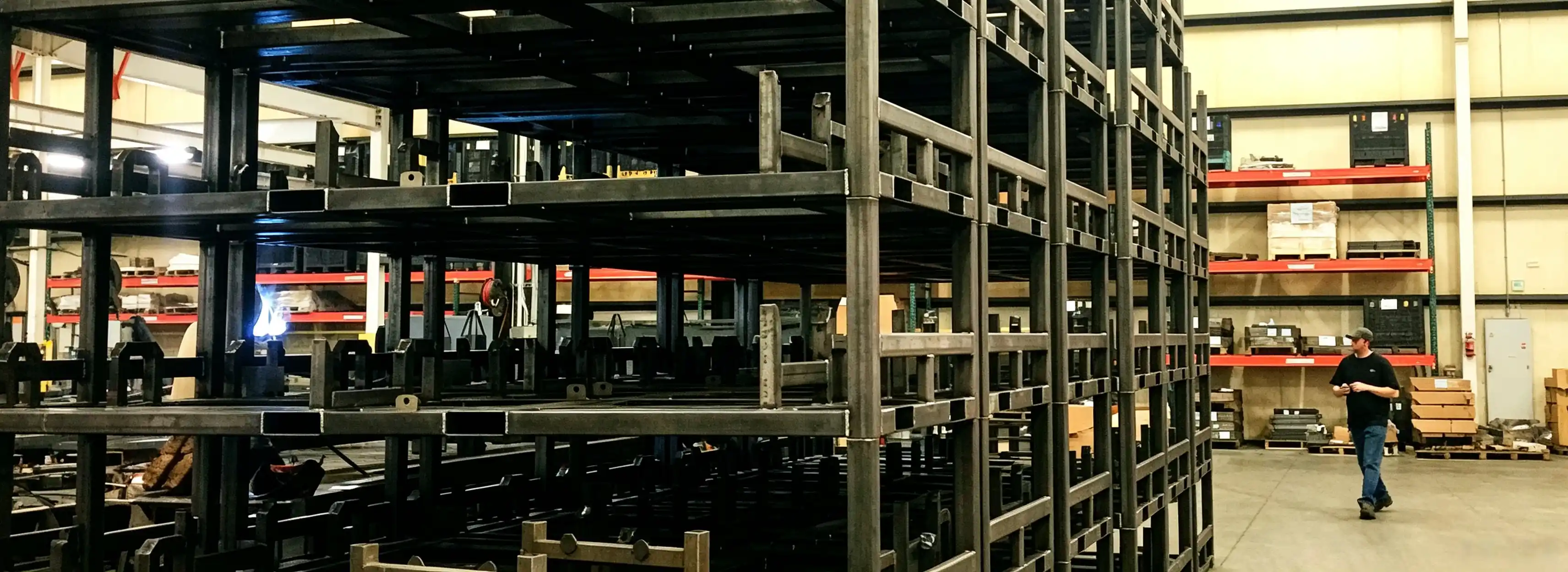
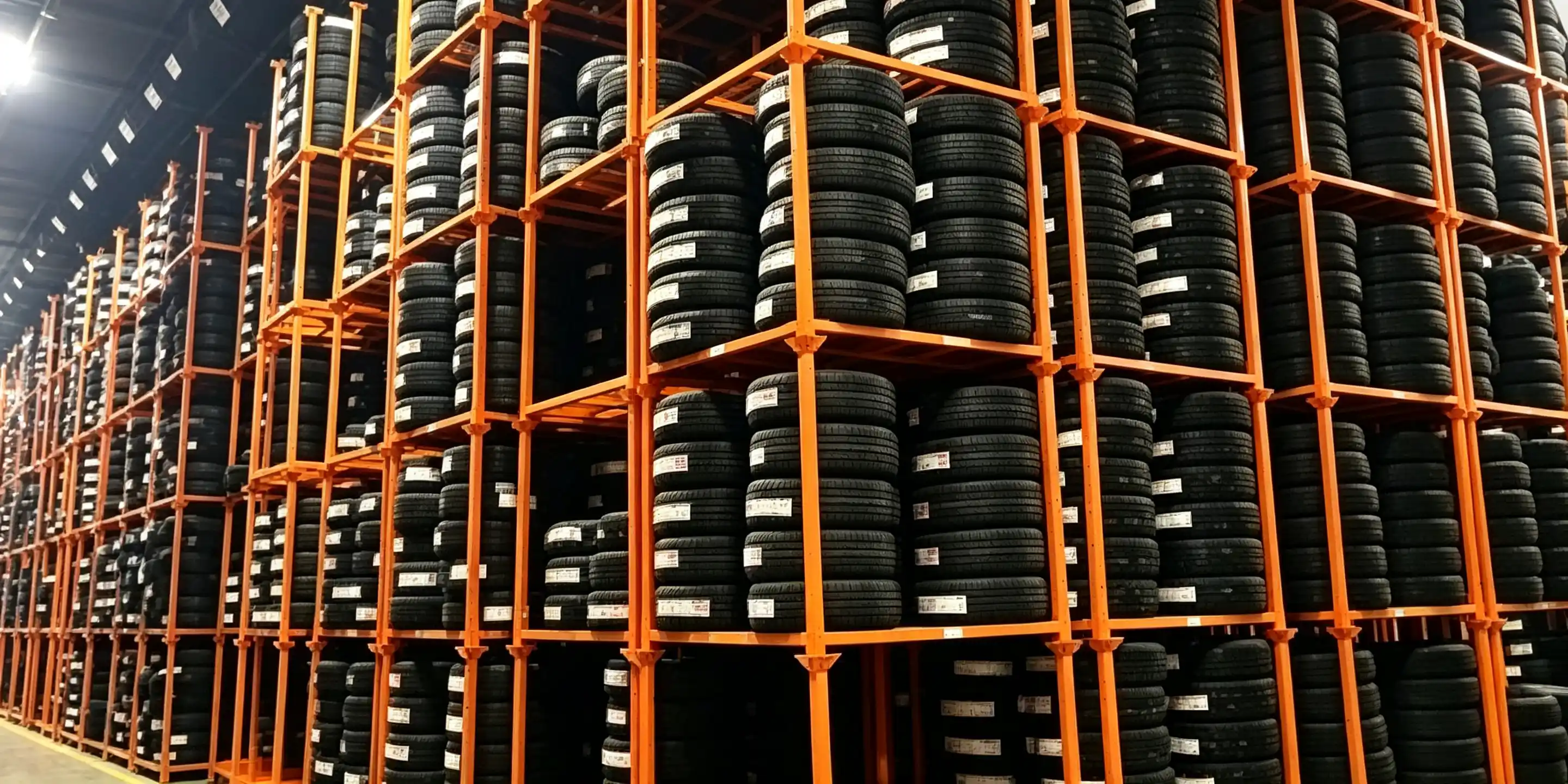
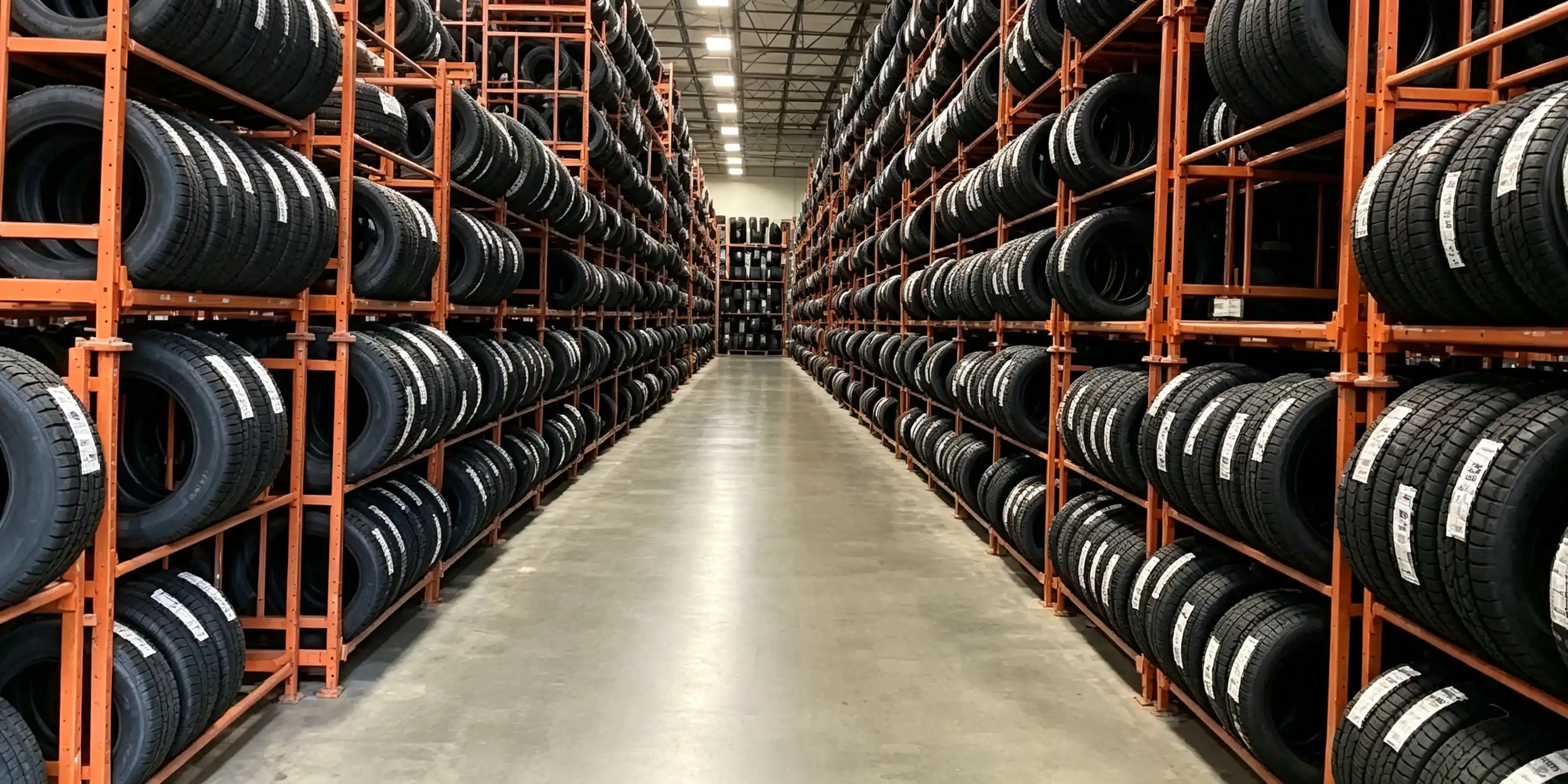
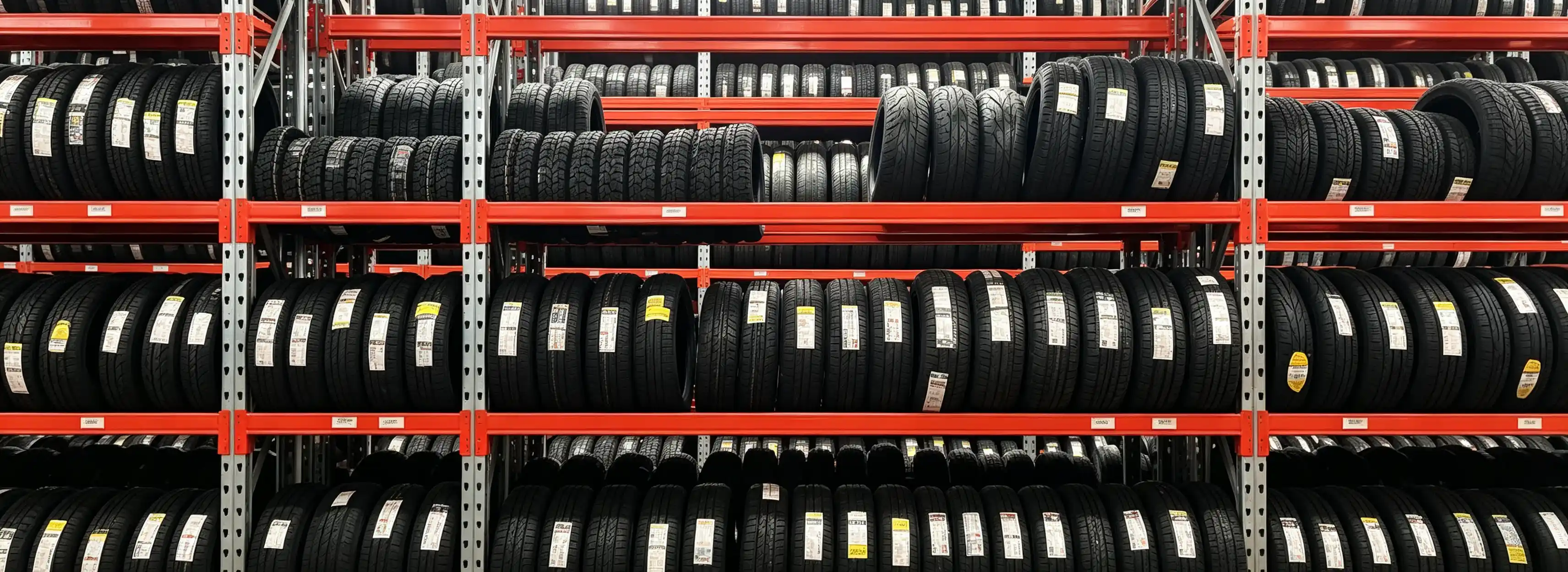
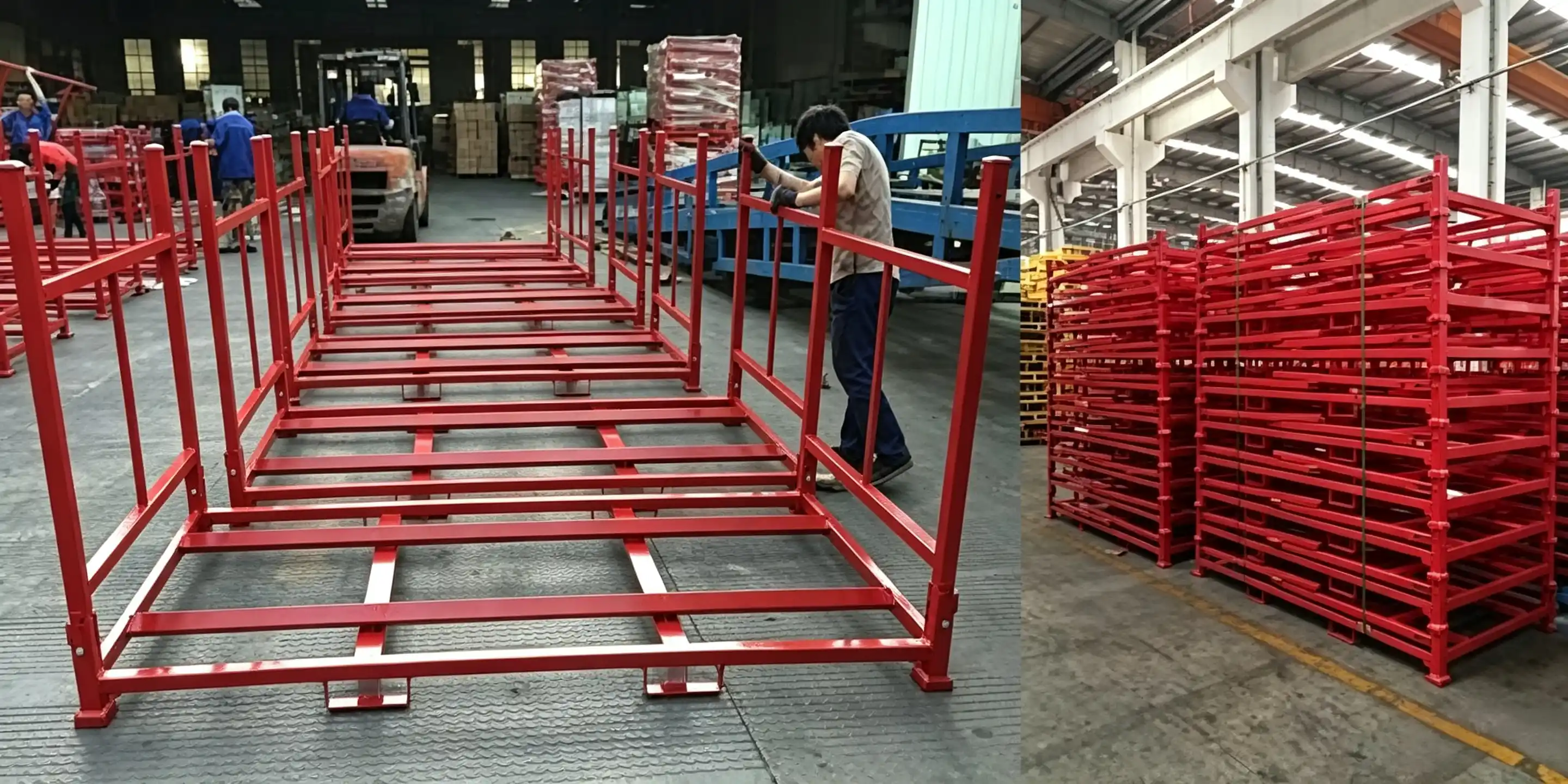
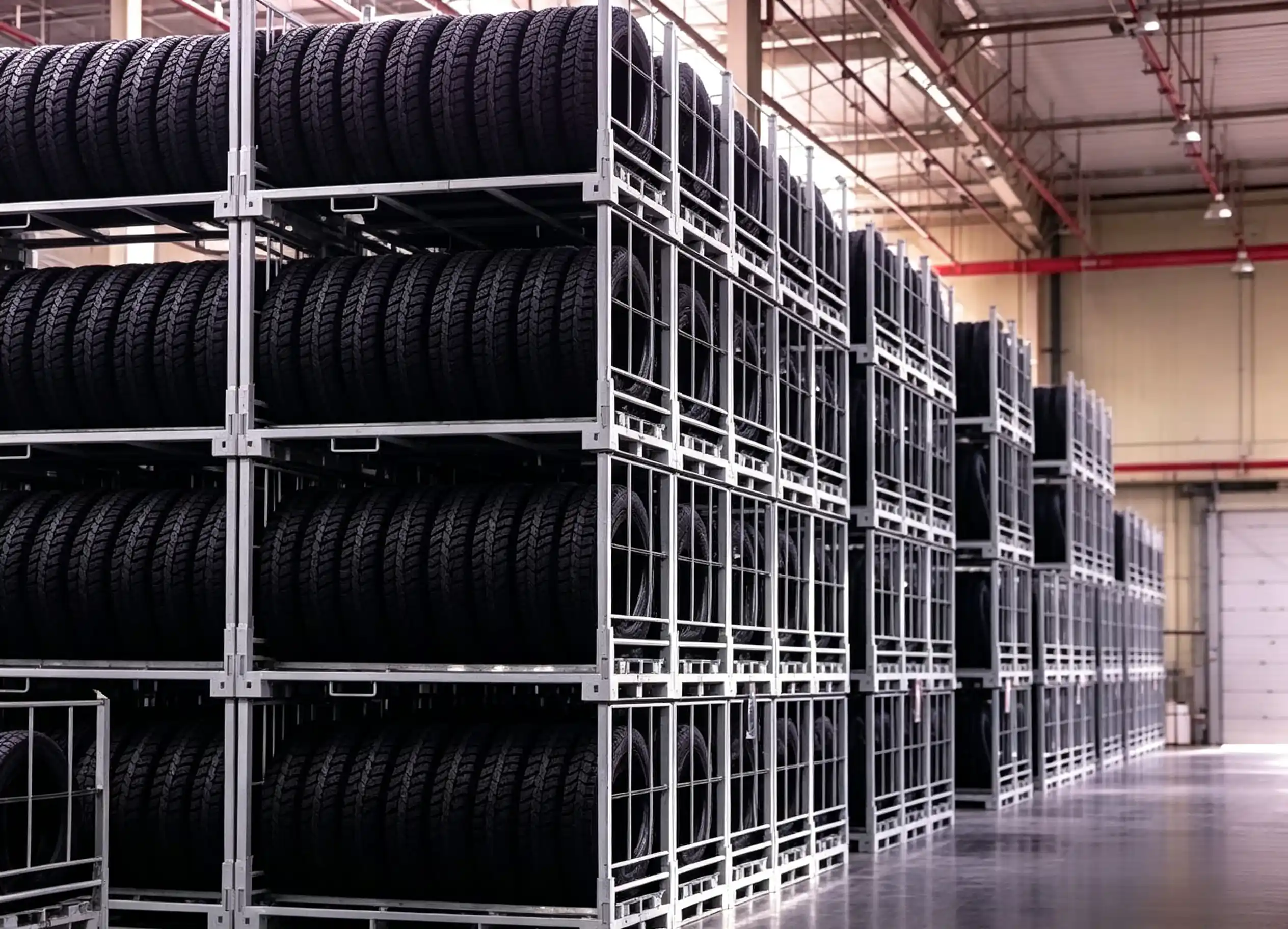
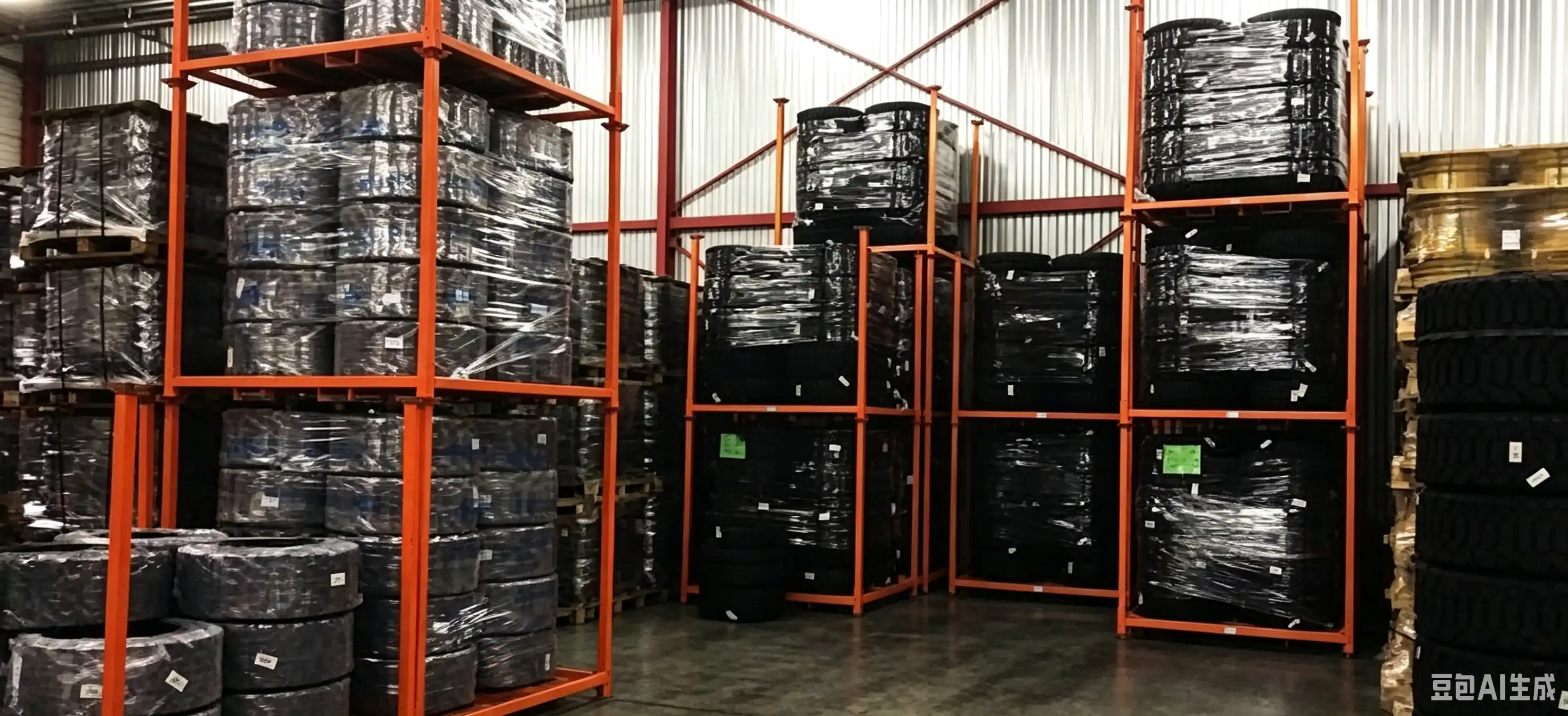
Tire racks are specialized storage equipment designed specifically for automotive tires and rims. Unlike ordinary pallets and cantilever racks, their structure conforms to the round, easily rolling shape of tires, accommodating both vertical and horizontal multi-level storage modes. The modular design allows for organized bulk storage of passenger and commercial vehicle tires in indoor warehouses, and is also suitable for display and stocking in auto parts stores and tire repair shops. They offer high space utilization, allowing for multi-level stacking, and are equipped with anti-roll-off barriers and tiered brackets to prevent tire compression and deformation. They provide convenient access, stable load-bearing capacity, and support standardized bulk export customization. Available in single-sided wall-mounted and double-sided island styles, they cater to both warehousing and offline display needs.

Capacity:10-400TPH
Capacity:10-400TPH
Capacity:10-400TPH
Export Cases of Tire Racks For Sale
JuliRacks tire racks are exported in bulk to the global auto parts market in Europe, America, and Southeast Asia. They are modular and detachable, have a high packing rate, are corrosion-resistant and suitable for sea transport, support customization and can provide a full set of export documents, and large-scale production capacity ensures stable supply.

Warehouse tire rack

Display tire rack

How do tire racks work?

Tire racks adopt modular steel structure specially for tyre storage, with matched bearing and limit design to realize neat, safe and space-saving storage of various tires and wheels.

Load-Bearing Principle

The main support is a single steel column, with layered brackets evenly distributing the tire weight. Gravity is vertically transferred to the ground base, ensuring balanced load-bearing at each point and preventing localized deformation. The widened base design enhances overall stability, eliminating the risk of tipping over when multiple layers of tires are stacked

Anti-Roll-Off Limiting Principle

Each layer of brackets is equipped with retaining rods at both ends to hold the sidewalls of round tires, limiting their forward and backward movement. Independent limiting measures for multiple layers prevent tires from squeezing each other, avoiding damage to tire bead and displacement/roll-off

Adjustable Adaptability Principle

The brackets can be freely raised and lowered in the column slots to accommodate different diameter goods such as passenger car tires, SUV tires, and truck wheel rims. Storage specifications can be switched without changing the frame structure.

Storage and Retrieval Operation Principle

With no crossbeams obstructing the view, small tires can be manually handled. For large-volume stockings can be combined with forklift operations. The open aisle design ensures unobstructed visibility, resulting in higher efficiency in sorting and inventory management

Principles of Vertical Warehousing Utilization

Vertical multi-layered stacking replaces flat floor stacking, expanding storage space upwards; components can be completely disassembled, allowing for high container packing density and suitability for JuliRacks' overseas export transportation.

Tire Rack Features

Leveraging standardized steel structure technology and user-friendly warehouse design, JuliRacks tire racks balance structural safety, operational flexibility, and cross-border storage and transportation capabilities. They are suitable for various scenarios worldwide, including home garages, commercial auto repair shops, and large auto parts warehouses. Combining durability, adaptability, and export-specific advantages, their core features are as follows:
Stable Structure
Constructed from a single piece of national standard thickened high-frequency welded round tubing, it is resistant to bending and pressure, and less prone to sagging and deformation. Combined with integrated limit bars, anchor bolts, and anti-tipping accessories, it effectively prevents tire slippage and rolling, ensuring balanced stress and protecting the tire body from damage. Full-area electrostatic powder coating provides rust and scratch resistance, suitable for various application scenarios.
Flexible Adjustment
Features a dual-adjustment structure with adjustable height via clips and telescopic support, freely adapting to tire widths and diameters. It fully covers all types of tires and rims for passenger cars, SUVs, and trucks, and is compatible with mainstream tire specifications on the market
Storage and Transportation Advantages
The modular, detachable assembly and disassembly system facilitates easy assembly and disassembly, maximizing container utilization. The anti-corrosion coating is suitable for ocean shipping climates and global cross-border export transportation, offering strong supply adaptability
Highly Efficient Operation
The open, transparent structure without crossbeams allows for unobstructed access, enabling quick and easy tire storage and retrieval by hand or forklift, making inventory counting, sorting, and preparation efficient and worry-free.
Highly adaptable
A complete range of styles are available, supporting wall-mounted, mobile omnidirectional wheeled models, floor-standing stackable models, single-sided and double-sided models, and custom folding models. Unused sides can be folded to save space, suitable for home garages, auto repair shops, large auto parts warehouses, showrooms, and other scenarios. Tool boxes are also available for integrated storage of auto repair parts
Quality and compliance
Graded load-bearing design, with residential, commercial, and industrial models meeting load-bearing capacity standards. Standardized production throughout the entire process, providing a full set of export customs clearance documents, complete qualifications, and a comprehensive overseas after-sales service system
JuliRacks tire racks offer three major advantages: high-quality materials, adjustable functionality, and a variety of styles to suit different needs. They also ensure safety, convenience in warehousing, and compatibility with cross-border shipping. Covering all scenarios of home, commercial, and industrial warehousing, and with standardized production and compliant export, JuliRacks is an efficient and worry-free tire-specific warehousing solution for the global auto parts industry.

Factors affecting tire rack prices and pricing information

The price of tire racks is not fixed. The steel specifications, load-bearing standards, style and structure, export packaging and purchase quantity will all directly affect the final cost.The following is a comprehensive explanation of the key factors that influence the pricing of tire racks.
core factors for universal pricing of tire rack products
1. Raw Material Specifications: The steel material and wall thickness of the shelving, as well as the tire rubber formula and dimensions, determine the basic material cost. Special raw materials and large-sized products are more expensive. 2. Product Craftsmanship and Load-Bearing Standards: Anti-corrosion treatment processes for shelving and special tire structures increase processing costs. Heavy-duty and specialized models command significantly higher premiums than standard models. 3. Brand R&D and Customization Services: Investment in R&D by high-end tire brands results in a premium. Customization requirements such as non-standard shelving sizes, accessories, and folding/moving functions will incur additional charges. 4. Purchase Volume and Supply and Demand: Large-volume full-container purchases may enjoy tiered discounts. Global raw material fluctuations, inflation, shipping costs, and tariffs directly affect pricing. 5. Post-Packaging Expenses: Tire installation, used tire disposal, warranty services, export packaging, documentation, and logistics for shelving will increase the overall cost.
Key Factors Affecting Tire Rack Costs:
1. Raw Materials and Anti-corrosion Processes: Heavy-duty thickened steel structures offer strong load-bearing capacity and are less prone to deformation. Combined with a powder-coated anti-rust coating, they have a longer service life but are more expensive. Aluminum alloy is lightweight and inexpensive, but its load-bearing capacity is insufficient, making it only suitable for light storage scenarios. 2. Load Capacity and Storage Volume: Storing truck and large SUV tires requires thickened and reinforced beams and columns, increasing costs. The number of shelf layers and overall dimensions increase with the number of tires stored, raising costs accordingly. 3. Style Selection and Non-standard Customization: Wall-mounted racks offer high cost-effectiveness; floor-standing folding and modular racks are moderately priced; mobile rotary storage systems have the highest component costs. Non-standard customized racks suitable for irregularly shaped warehouses and mezzanine spaces are more expensive than standard stock; professional anchoring and seismic installation add extra costs. 4. Cross-border Circulation Additional Expenses: Significant differences in freight and import tariffs between different receiving regions directly increase overall procurement costs. 5. Long-Term Operation and Maintenance Expenses: Professional installation and commissioning ensure efficient use; ongoing daily maintenance and spare parts replacement incur continuous expenses, impacting long-term warehouse operating profits.
The price of tire racks is determined by production costs such as raw materials, load-bearing capacity, and style customization. At the same time, additional expenses such as freight, tariffs, installation, and maintenance will increase the overall investment. When purchasing, it is necessary to consider the initial purchase price and long-term usage costs, and choose a cost-effective solution based on storage needs.

Tire Rack Application

Tire racks are versatile storage solutions tailored for tire and wheel storage, widely applicable to household, auto service, wholesale warehousing and industrial maintenance scenarios, meeting diversified storage demands of different users.
Home garages
Store all-season tires and spare tires for private cars; wall-mounted models save floor space.
Auto repair shops and detailing shops
Centralized storage of various sedan and SUV tires; mobile shelves facilitate transport
Auto parts wholesale warehouses and tire dealer warehouses
Large-volume stacking storage; floor-standing modular shelves increase storage capacity.
4S car sales showrooms and after-sales workshops
Zoned display of new car wheels and tires, combining storage and display.
Freight fleets and construction machinery maintenance workshops
Storage of heavy-duty, large-size tires for trucks and construction vehicles.
Tire manufacturing plants and logistics transit warehouses
Modular shelves for finished tire turnover storage.
Modified car clubs and off-road shops
Categorized storage of off-road tires and low-profile modified tires.
If you have small-scale home storage needs, wall-mounted or folding tire racks are a top choice; for auto repair shops and tire wholesalers with large stockpiles, floor-standing stackable racks can significantly improve warehouse utilization; for fleets and construction machinery factories storing heavy-duty tires, reinforced mobile heavy-duty racks are the preferred option. Choose the appropriate solution based on your storage scale and site conditions to efficiently organize tire rims, free up warehouse space, and reduce costs and increase efficiency in warehouse operations!

How to Choose the Suitable Tire Storage Rack Supplier

Choosing the right professional tire rack supplier ensures access to high-quality racks that meet load-bearing and corrosion-resistant standards, with custom designs to fit specific site dimensions. It also allows you to enjoy standardized export documentation, discounted full-container rates, and eliminates hassle-filled communication and after-sales concerns. Stable supply, comprehensive logistics support, and long-term maintenance significantly reduce overall warehousing and procurement costs, greatly improve tire storage management efficiency, and contribute to the stable operation of the auto parts and repair industries.
Conduct background checks on suppliers
High-quality suppliers reject homogeneous mass production and can adapt to various tire storage needs; products support adjustable shelf height and span to accommodate different tire sizes for cars, SUVs, and trucks; they are foldable and stackable to save space when not in use; they use high-strength electrostatic powder-coated steel, which is rust-proof, pressure-resistant, and has a durable load-bearing structure
Test the safety level of manufacturers' products
Tires are heavy and flammable, making storage safety the primary standard. It is necessary to confirm the rated load-bearing capacity of each shelf layer to prevent the risk of overloading and collapse; open and transparent structures are preferred, suitable for fire sprinkler systems; compliant manufacturers that meet ISO, FEM, and RMI international industrial production standards are given priority.
Assess delivery cycle risks
Large-scale auto parts warehousing procurement requires a strong consideration of supply chain stability, confirming the production and delivery dates of customized products in advance; preferably using screwless modular structures to reduce assembly difficulty and save installation time; compare minimum order quantities, ex-factory prices, and cross-border shipping costs to align with procurement budget control.
Supplier After-Sales Service
Reputable manufacturers offer comprehensive after-sales support, including 1-5 year warranties on shelving structure and rust issues. Request case studies and client qualifications from similar auto parts warehouse partners to compare project results and avoid potential procurement pitfalls
Comparison of Supporting Services and Export Qualifications
For overseas procurement clients, confirm whether the manufacturer can provide complete customs clearance documentation and professional export packaging and reinforcement solutions. Simultaneously communicate value-added services such as installation drawings, parts replacement, and overseas technical support, saving you the hassle of cross-border procurement.
Comprehensive Calculation of Long-Term Total Procurement Costs
Don't just compare individual item prices; consider the overall cost, including raw material quality, lifespan, maintenance costs, shipping and tariffs, and repair losses. High-quality shelving is durable, resistant to deformation and rust, and significantly reduces replacement and storage safety costs in the long run.

Contact Us Now!

Contact us now via email: info@stackshelves.com, or fill in the form below.

Please specify your requirement by referring to the following aspects:

    1- Describe the type of project (e.g., logistics warehouse, cold storage, factory workshop, tire storage center, e-commerce fulfillment hub, etc.).

    2- List the specific racking or type (e.g., pallet racking, cantilever racking, tire racking, industrial shelving, heavy duty storage rack, etc.).

    3- Tell us your estimated rack installation or project launch date.

    4- Detail your specific requirements or expectations (e.g., warehouse size, load capacity, storage environment, etc.).

    5- If you are interested in becoming our distributor, please let us know.

*We respect your privacy, and will not share your personal information with other entities.

Contact Us Now!

Contact us now via email: info@stackshelves.com, or fill in the form below.

Please specify your requirement by referring to the following aspects:

    1- Describe the type of project (e.g., logistics warehouse, cold storage, factory workshop, tire storage center, e-commerce fulfillment hub, etc.).

    2- List the specific racking or type (e.g., pallet racking, cantilever racking, tire racking, industrial shelving, heavy duty storage rack, etc.).

    3- Tell us your estimated rack installation or project launch date.

    4- Detail your specific requirements or expectations (e.g., warehouse size, load capacity, storage environment, etc.).

    5- If you are interested in becoming our distributor, please let us know.

*We respect your privacy, and will not share your personal information with other entities.