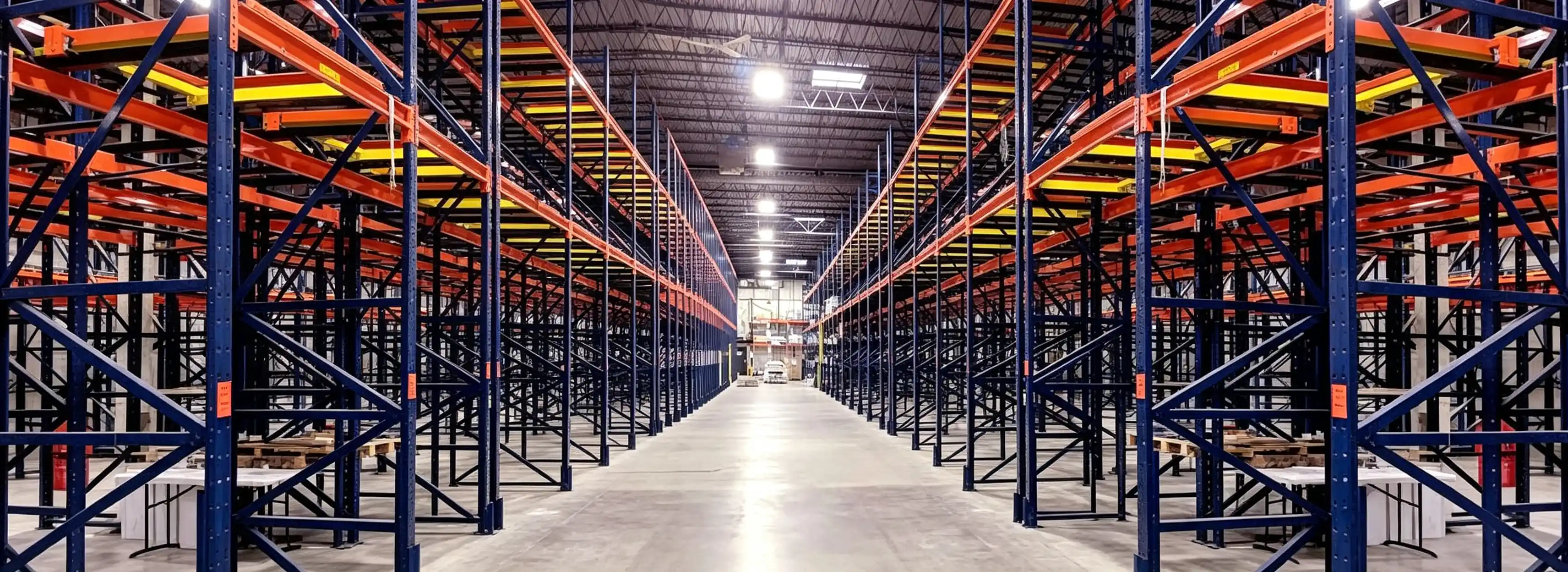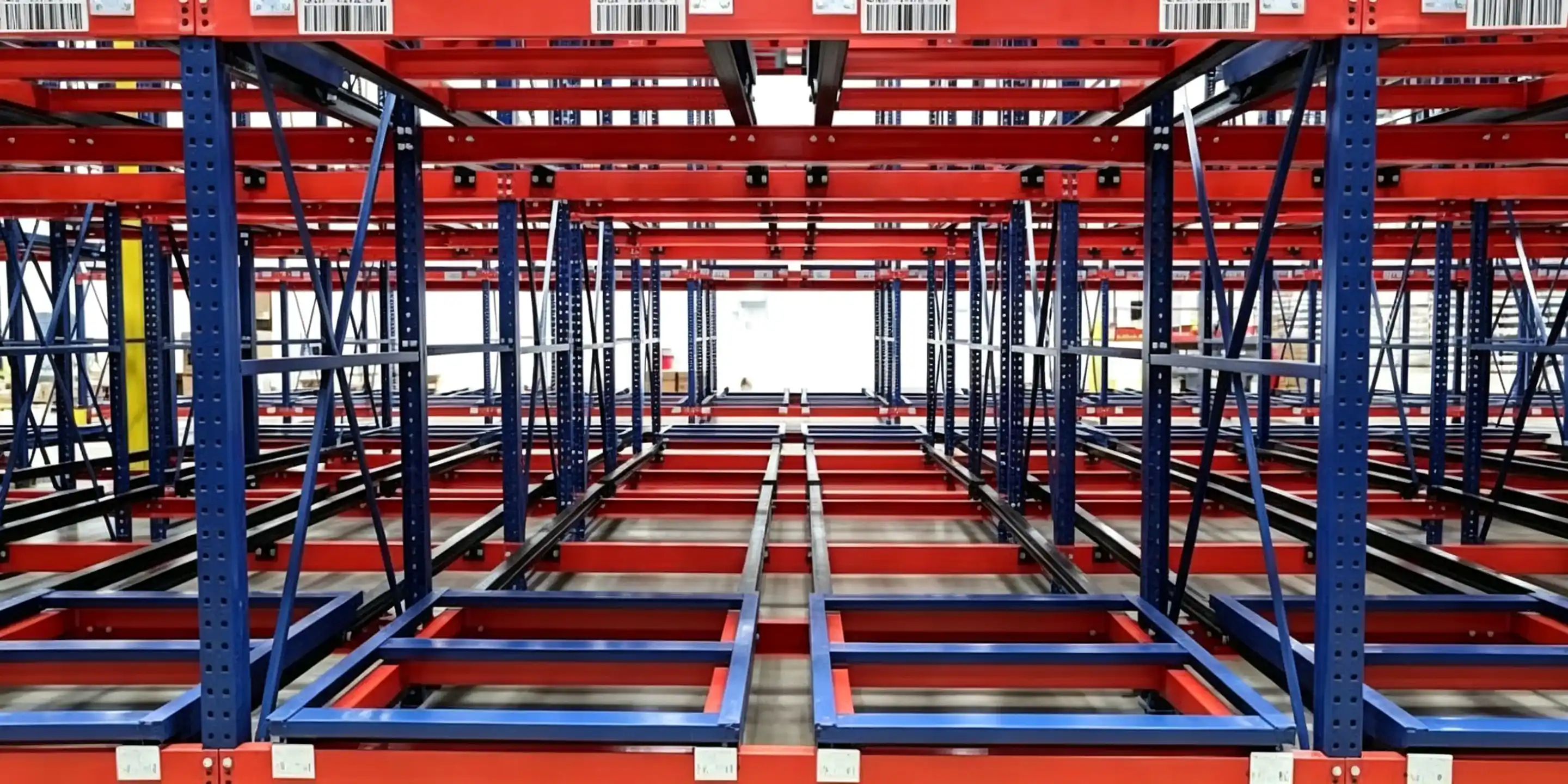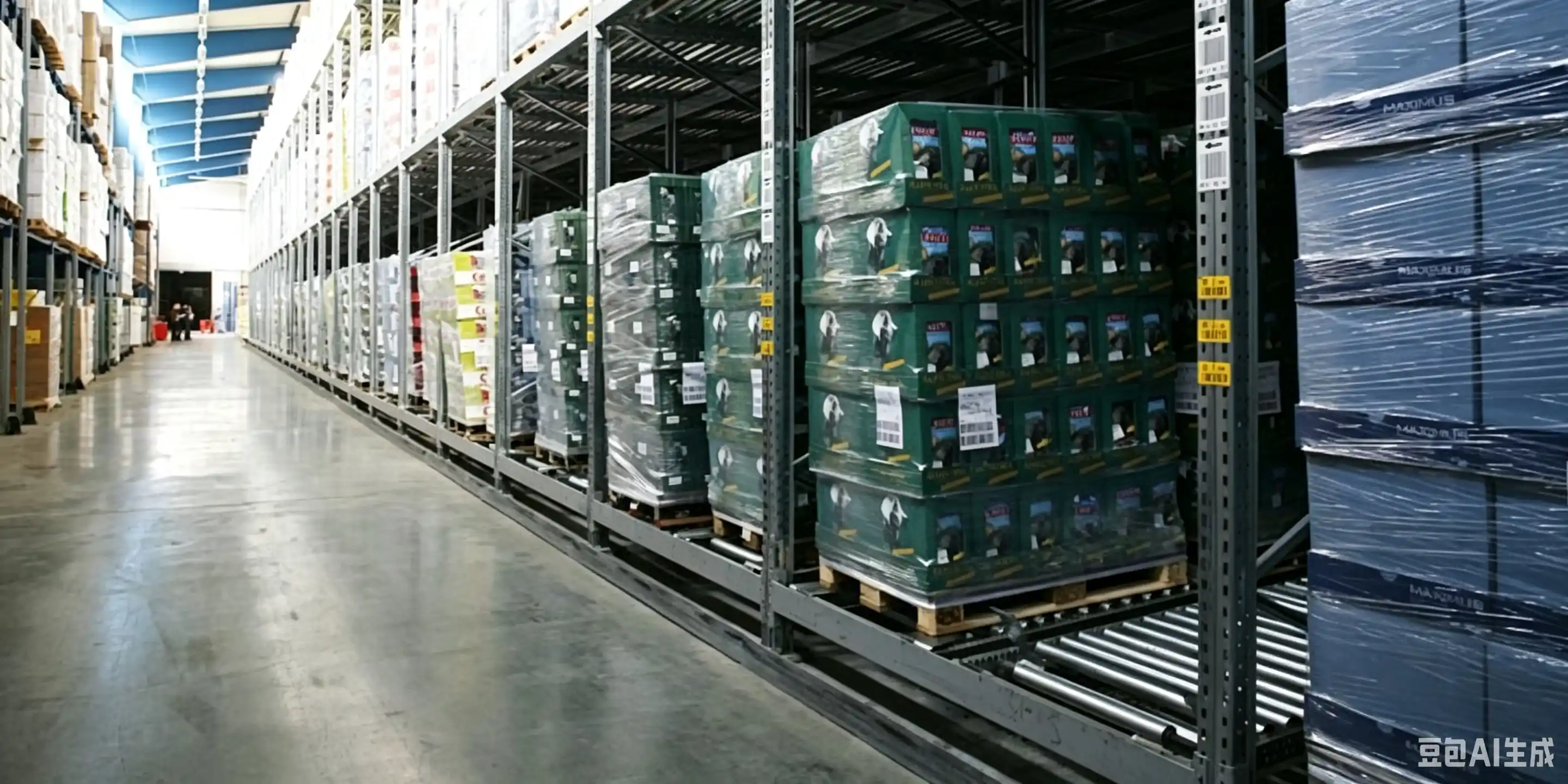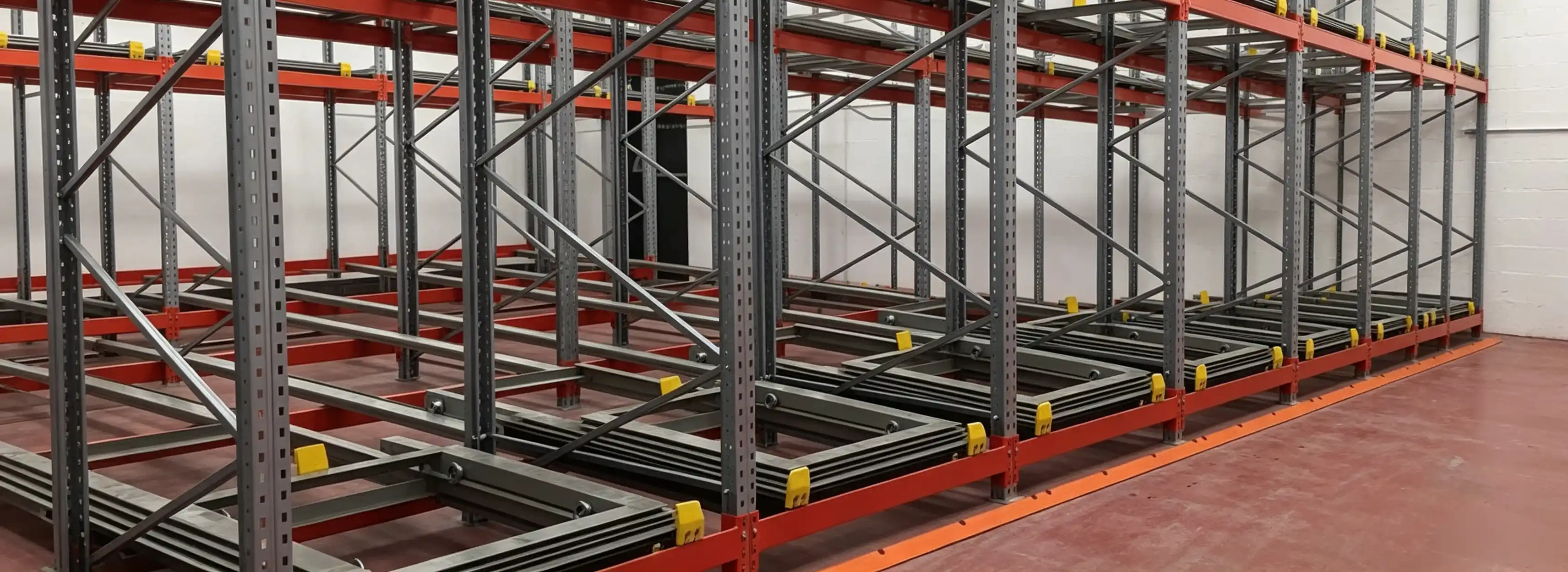
Based on the pallet moving mechanism, push-back racking can be divided into two types: shuttle-type push-back racking, where all pallets except those at the end are placed on a shuttle, which then travels along a slightly inclined track; and roller-type push-back racking, which relies on its own slightly inclined roller platform to transport pallets. Both are high-density storage devices and can be used in combination with other warehousing systems.
This gravity-flow high-density storage system eliminates the redundant aisles of traditional beam racking. Each aisle can hold 2-6 pallets of goods in depth, increasing overall warehouse capacity by up to 90% compared to ordinary picking racks, maximizing warehouse space utilization
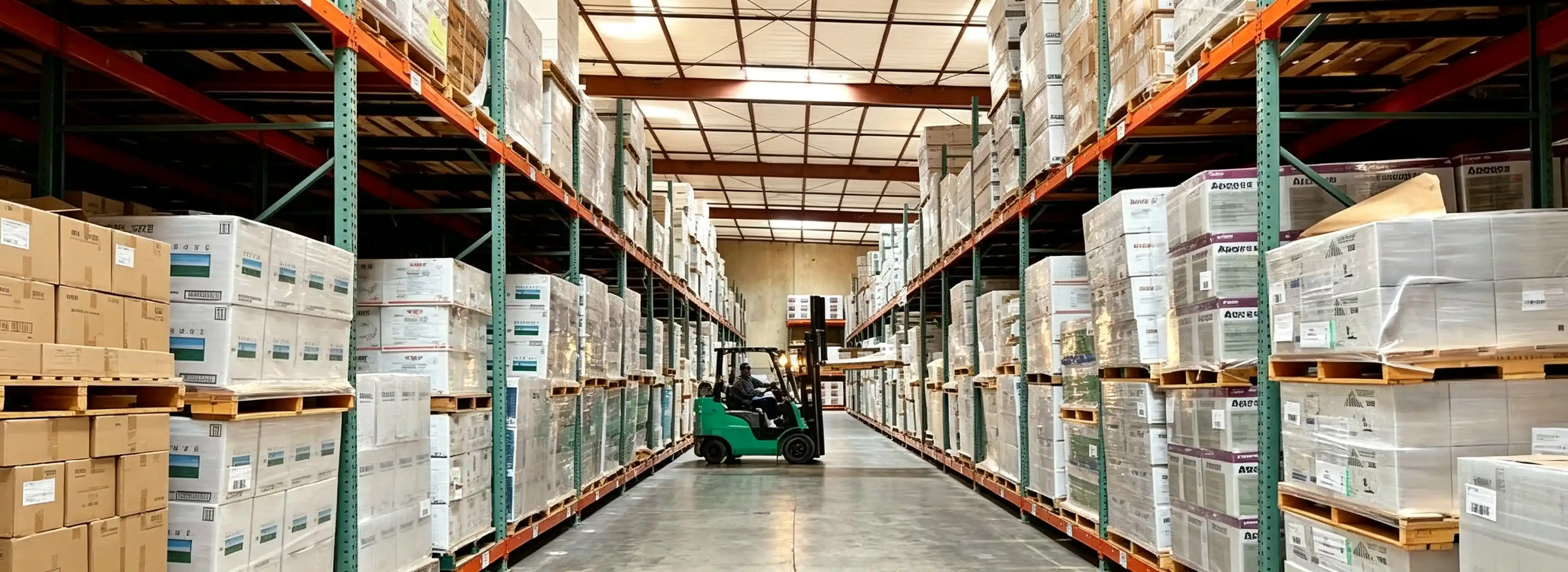
Forklifts do not need to drive into the racking system; loading and unloading can be completed in the front single-side aisle. Utilizing gravity-driven sliding, pallets automatically move forward to the picking bay, reducing forklift travel and goods turnaround time, significantly improving operational efficiency.
Following the last-in, first-out (LIFO) storage and retrieval rule, it is suitable for large-volume, same-category, non-time-sensitive goods without expiration dates. The rollers and shuttle structure offer excellent low-temperature resistance, making it suitable for long-term use in frozen and refrigerated cold chain warehouses.
Each aisle can independently store different SKUs, with clear category zoning and convenient product retrieval. The flexibility of single-item picking far surpasses drive-in racking, facilitating efficient warehouse inventory management.
Meets European warehousing quality standards and features a dedicated load-bearing braking safety control system. This system brakes and limits goods, avoiding collisions and derailment risks from rollers and shuttle systems, ensuring comprehensive operational safety.
It is compatible with conventional forklift operations and can be combined with adjustable standard pallet racking. It adapts to existing warehouse layout modifications without requiring large-scale structural alterations.
Leveraging high space utilization, it saves on site rental and temperature control energy costs; reduces forklift wear and tear, lowers manual labor time, and effectively reduces overall warehouse operating costs in the long term
The overall racking configuration is flexible and can be customized to the required aisle depth and load-bearing capacity to suit different tonnages of goods and warehouse sizes, making it suitable for various small and medium-sized batch warehousing projects.

1- Describe the type of project (e.g., logistics warehouse, cold storage, factory workshop, tire storage center, e-commerce fulfillment hub, etc.).
2- List the specific racking or type (e.g., pallet racking, cantilever racking, tire racking, industrial shelving, heavy duty storage rack, etc.).
3- Tell us your estimated rack installation or project launch date.
4- Detail your specific requirements or expectations (e.g., warehouse size, load capacity, storage environment, etc.).
5- If you are interested in becoming our distributor, please let us know.
1- Describe the type of project (e.g., logistics warehouse, cold storage, factory workshop, tire storage center, e-commerce fulfillment hub, etc.).
2- List the specific racking or type (e.g., pallet racking, cantilever racking, tire racking, industrial shelving, heavy duty storage rack, etc.).
3- Tell us your estimated rack installation or project launch date.
4- Detail your specific requirements or expectations (e.g., warehouse size, load capacity, storage environment, etc.).
5- If you are interested in becoming our distributor, please let us know.