Drive-in Racking

  • Reliable Asphalt Production – Asphalt Mixing Plant for Smart Control & Efficient Production; Produce More, Waste Less: 20% faster output with 15% lower fuel costs vs. standard plants.; No Compromise on Quality: High-grade asphalt for roads lasting 10+ years, batch after batch.

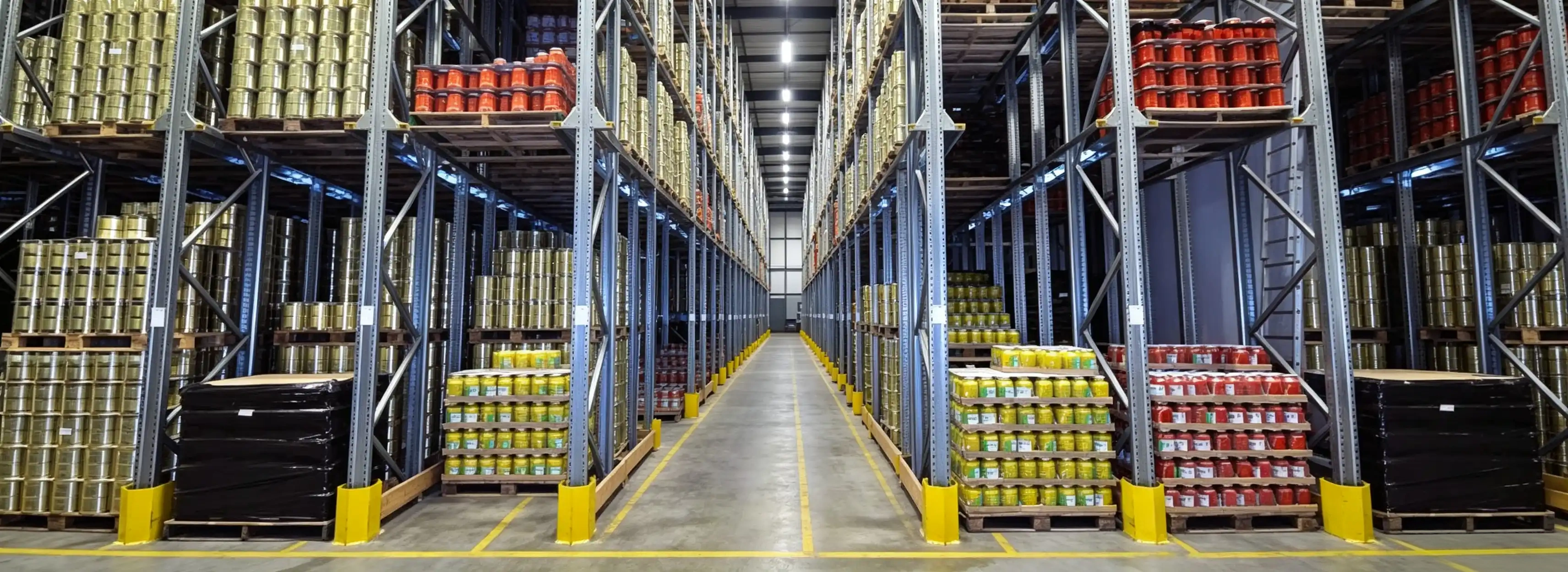
Drive-in Racking, as a high-density, through-storage storage solution, specifically addresses warehousing pain points such as insufficient storage capacity, high warehousing operating costs, and difficulties in managing batches of goods. It is the preferred storage equipment for large-scale batch warehousing.

Capacity:10-400TPH
Capacity:10-400TPH
Capacity:10-400TPH

Drive-in Racking Working Principle

Drive-in racking abandons the traditional independent aisle design, achieving high-density warehousing through a continuous internal storage structure. It completes inbound and outbound operations based on a specific storage and retrieval sequence. Below is an introduction to its complete working principle.

Structural Features

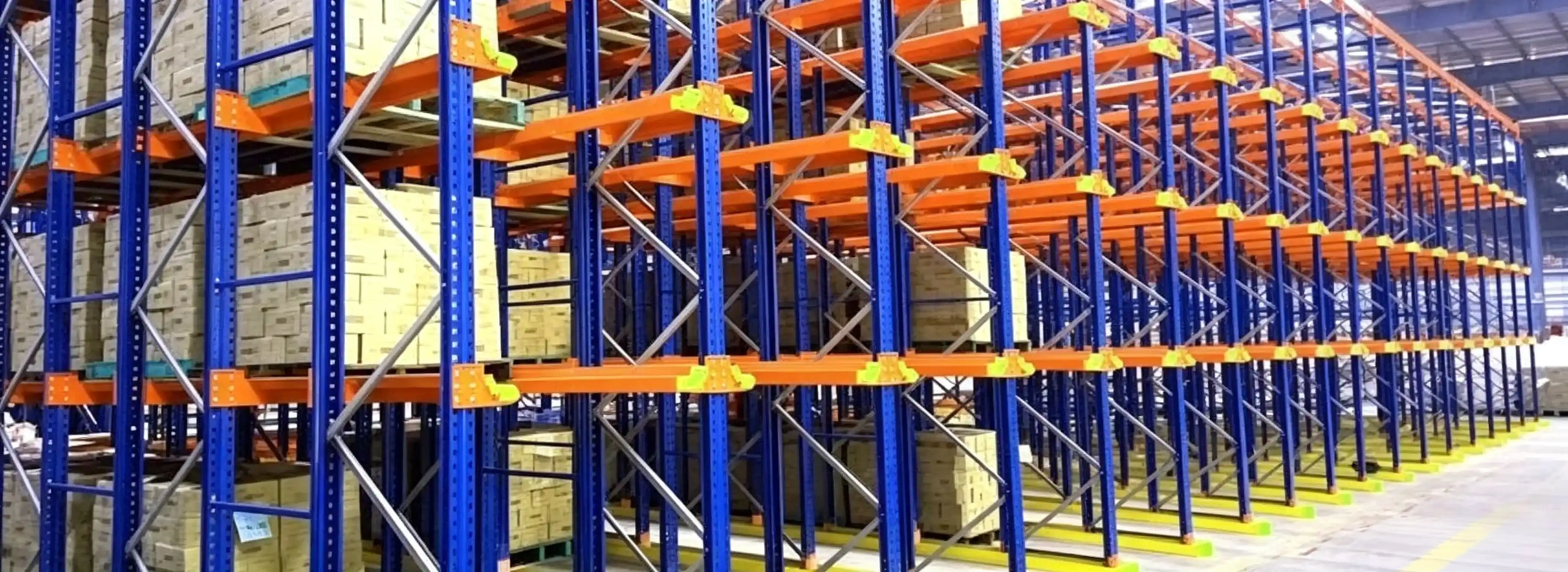
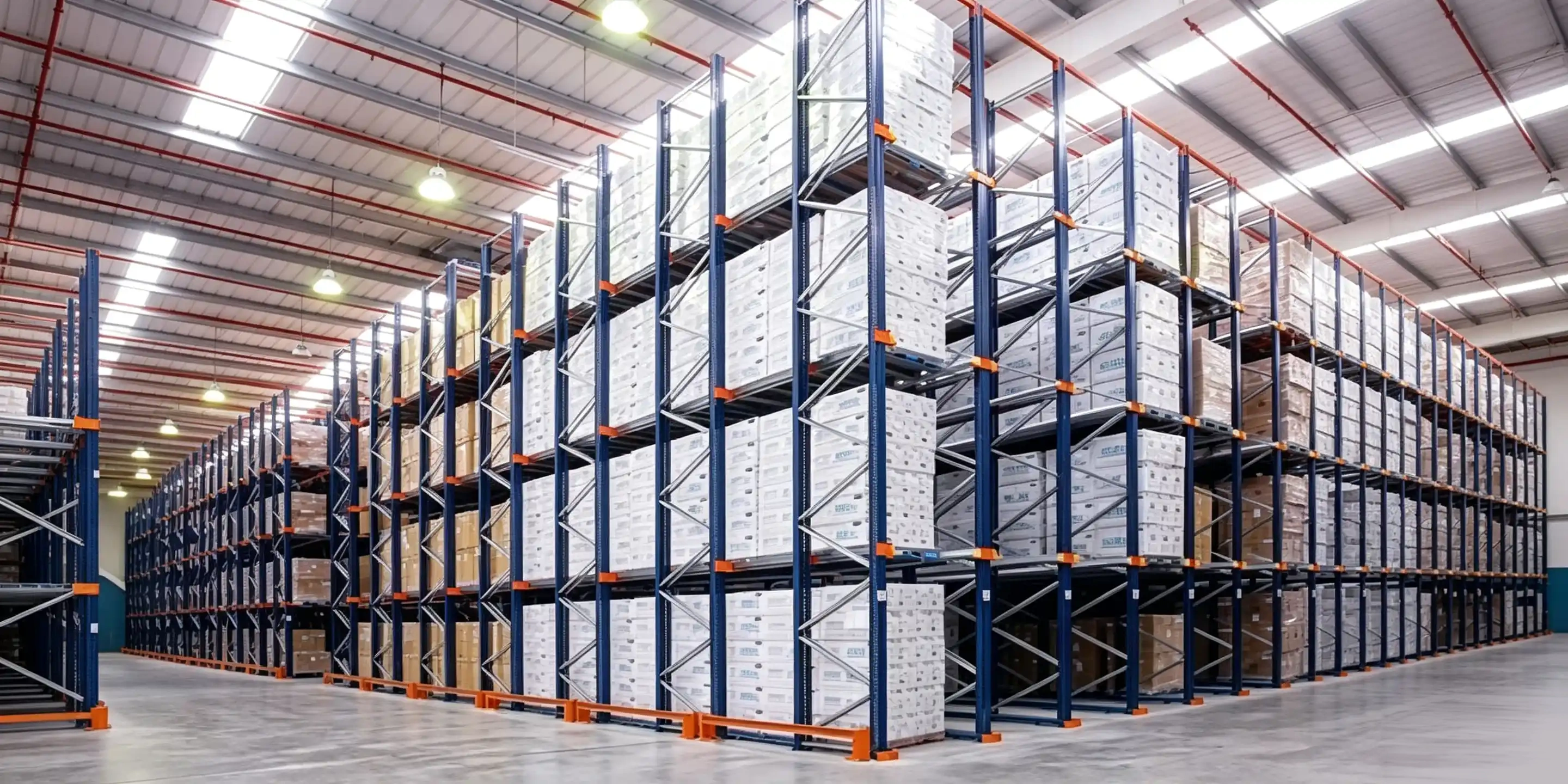
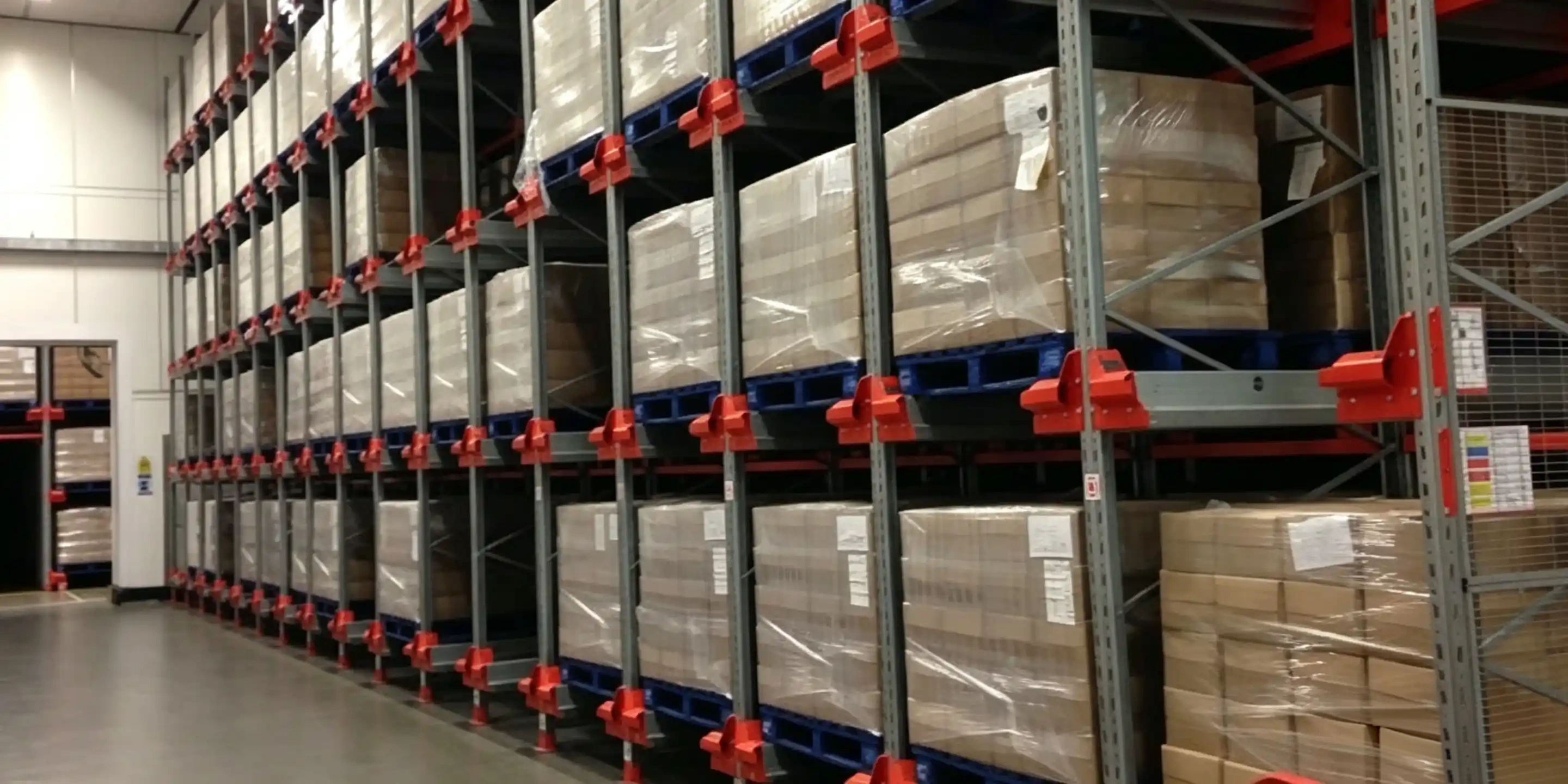
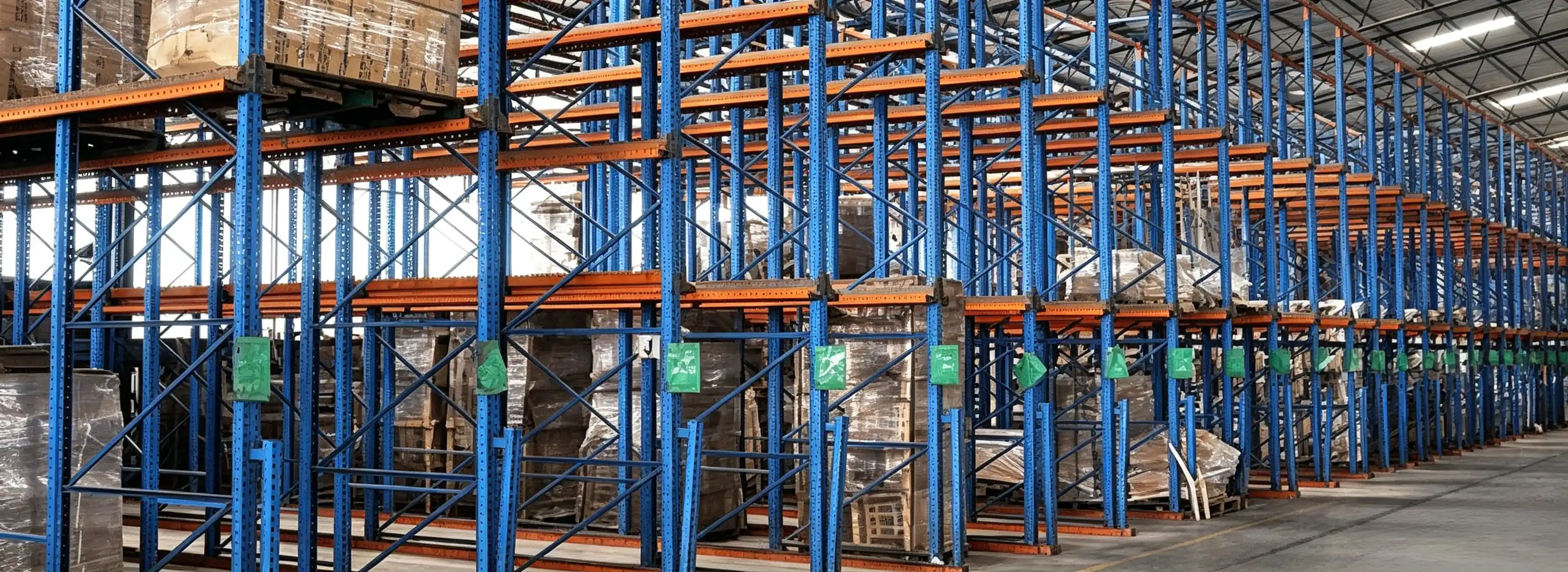
No separate aisles; the racking is continuous and open, with only one access aisle. Pallets are supported by cantilever brackets, and there are no front or rear crossbeams, allowing forklifts to drive directly into the racking to store goods

Storage Logic (LIFO)

Goods are stacked layer by layer from the outside to the inside of the racking, with new pallets placed on the outermost layer. When retrieving goods, only the outermost goods can be removed before the deeper goods can be retrieved, naturally suited to the LIFO inventory model.

Workflow

Forklifts drive into the racking aisles and place pallets on the internal cantilever supports. Inbound goods are stacked from the inside out, and outbound goods are retrieved from the outside in. Large-volume, whole-batch storage eliminates the need for multiple access aisles.

Core Operating Logic

Sacrificing multiple aisles for increased storage density, significantly increasing storage capacity within the same area; however, individual retrieval of any pallet in the middle is not possible. Suitable for single-category, large-volume, low-frequency goods with complete inbound and outbound operations

Advantages of Drive-in Racking

Drive-in racking, with its core design of a drive-through, aisle-free layout, boasts significant advantages in four key areas: increased storage capacity, lower initial investment, reduced daily energy consumption, and better site adaptability. It is well-suited to meet the warehousing needs of large quantities of single-item goods.
Warehouse Capacity Utilization Advantages
Eliminating multiple independent operating aisles between racks significantly reduces aisle space, increasing total storage capacity by up to 80% compared to ordinary beam racks. Facing high rental costs in warehousing spaces, this structure fully utilizes the potential of existing warehouse areas, eliminating the need for additional leasing or expansion.
Project Investment Cost Advantages
The streamlined rack components eliminate the need for numerous beams, independent storage unit partitions, and fewer supporting mechanical structures. For the same storage capacity, the overall initial procurement and construction budget is lower, reducing the financial burden on enterprises during warehouse renovations.
Warehouse Operation Energy Consumption Advantages
The concentrated and dense arrangement of pallets significantly reduces vacant space within the warehouse area, lowering the load on temperature control equipment in constant temperature and cold chain warehouses, thus reducing electricity consumption. Simultaneously, the shorter travel distance for forklifts further reduces fuel and equipment wear costs.
Site and Goods Adaptability Advantages
The overall rack height and internal depth can be adjusted as needed, accommodating goods of different sizes and specifications, and flexibly matching existing factory height limitations. More suitable for storing large quantities of single-category goods in a centralized manner, meeting the needs of warehousing operation models with bulk inbound and outbound shipments.
Overall, drive-in racking offers outstanding cost-effectiveness in high-density warehousing scenarios, making it the preferred solution for reducing costs and increasing efficiency in large-volume warehousing of a single product category.

Applications of Drive-in Racking

Drive-in racking is suitable for various warehousing formats. Relying on its core characteristics of high-density through-storage and adaptability to bulk goods turnover, it is widely applicable to standardized warehousing operations in multiple industries, with a wide range of applicable scenarios and strong practicality.
Cold Chain & Cold Storage Industry
Cold storage facilities have high energy consumption for temperature control and high warehousing rental costs. Drive-in racking, with its deep aisle, dense storage design, significantly reduces the space requiring temperature control, directly reducing the power consumption of refrigeration equipment. It is suitable for storing large quantities of frozen food, low-temperature semi-finished products, and other low-temperature goods, allowing for batch-by-batch inbound and outbound operations, and is well-suited for long-term bulk stockpiling in low-temperature warehousing.
Food & Beverage Industry
Products such as grains, oils, canned goods, bottled water, and carbonated beverages have large stock volumes and uniform packaging specifications, requiring almost no piecemeal picking. Drive-in racking can stack large quantities of identical palletized goods within a single aisle, making it suitable for finished product warehouses in beverage processing plants and regional food distribution warehouses. Based on a last-in, first-out (LIFO) storage logic, it facilitates batch-based management of shelf life, simplifying inventory batch management.

Manufacturing & Chemical Industry
General Manufacturing: Used for centralized storage of large quantities of raw materials, semi-finished products, and mass-produced finished products, serving as buffer storage before and after the production line to ensure uninterrupted material supply and fully utilize the vertical and depth space of the warehouse. Chemical Industry: Suitable for storing heavy-duty standardized drums and boxes of chemical materials. Neatly stacked goods can be densely arranged in aisles, allowing forklifts to directly access and retrieve them, reducing the space occupied by scattered storage areas and improving site utilization.
E-commerce, Seasonal Goods, and Highly Storable Bulk Commodities
Seasonal Goods: Holiday gift boxes, promotional stock, and seasonal goods are characterized by large-scale stockpiling during the off-season and concentrated outbound shipments during the peak season. Drive-in racking maximizes storage capacity and eliminates the additional expenses of temporary external warehouse rentals. Bulk E-commerce Warehouses: Suitable for e-commerce warehouses that primarily stock large quantities of single-item products. Unified palletized outbound shipments shorten forklift travel distances and improve bulk shipping efficiency. Highly Storable Non-Time-Constrained Goods: For daily consumables and building materials with slow turnover and no strict storage/retrieval requirements, drive-in racking effectively reduces warehousing land costs.
Enterprises can choose the best option of this shelving based on their own product attributes, turnover model, and warehousing costs, making it suitable for high-density storage operations in mainstream industries such as cold chain, food, manufacturing, and distribution.

Contact Us Now!

Contact us now via email: info@stackshelves.com, or fill in the form below.

Please specify your requirement by referring to the following aspects:

    1- Describe the type of project (e.g., logistics warehouse, cold storage, factory workshop, tire storage center, e-commerce fulfillment hub, etc.).

    2- List the specific racking or type (e.g., pallet racking, cantilever racking, tire racking, industrial shelving, heavy duty storage rack, etc.).

    3- Tell us your estimated rack installation or project launch date.

    4- Detail your specific requirements or expectations (e.g., warehouse size, load capacity, storage environment, etc.).

    5- If you are interested in becoming our distributor, please let us know.

*We respect your privacy, and will not share your personal information with other entities.

Contact Us Now!

Contact us now via email: info@stackshelves.com, or fill in the form below.

Please specify your requirement by referring to the following aspects:

    1- Describe the type of project (e.g., logistics warehouse, cold storage, factory workshop, tire storage center, e-commerce fulfillment hub, etc.).

    2- List the specific racking or type (e.g., pallet racking, cantilever racking, tire racking, industrial shelving, heavy duty storage rack, etc.).

    3- Tell us your estimated rack installation or project launch date.

    4- Detail your specific requirements or expectations (e.g., warehouse size, load capacity, storage environment, etc.).

    5- If you are interested in becoming our distributor, please let us know.

*We respect your privacy, and will not share your personal information with other entities.