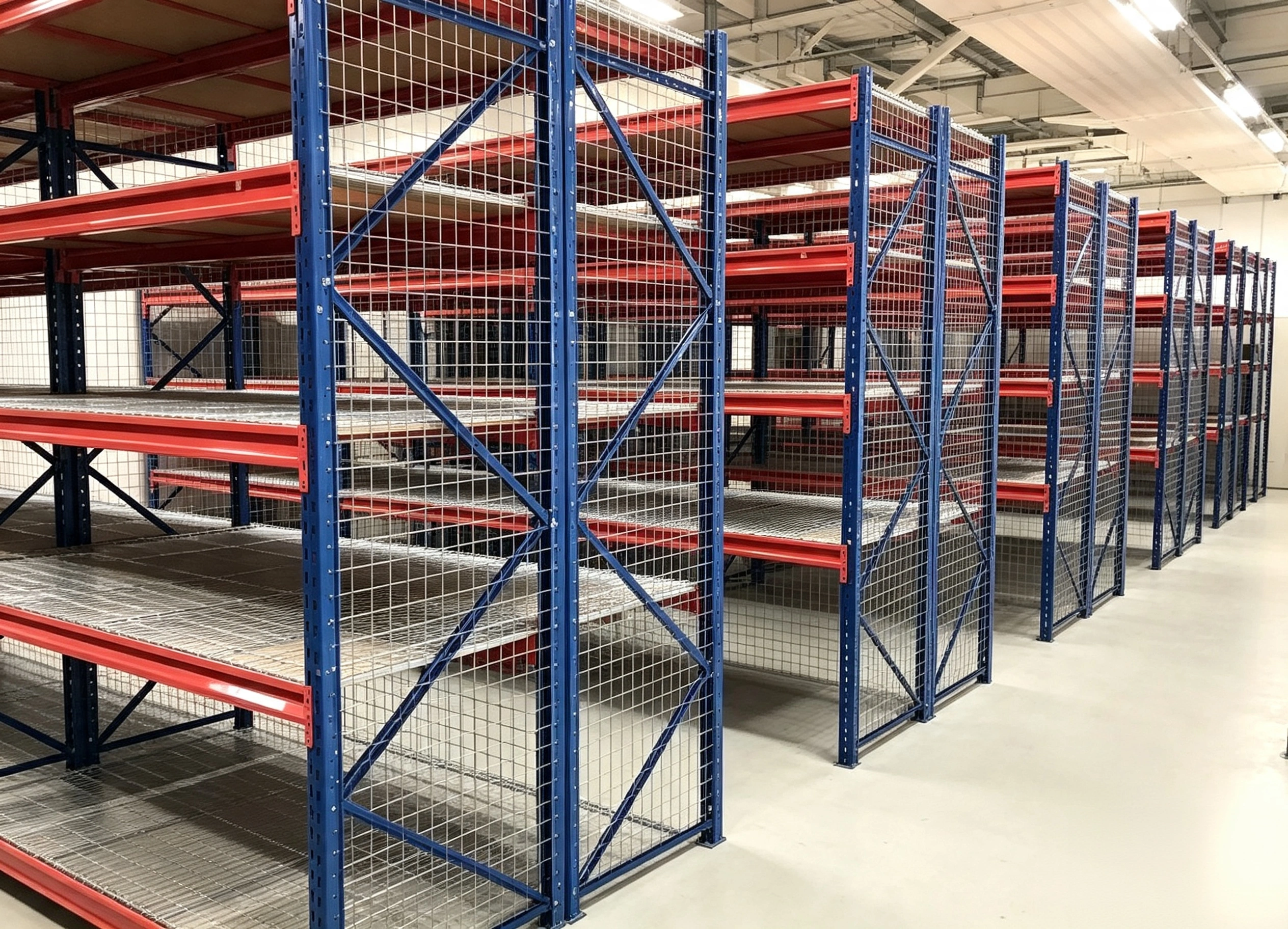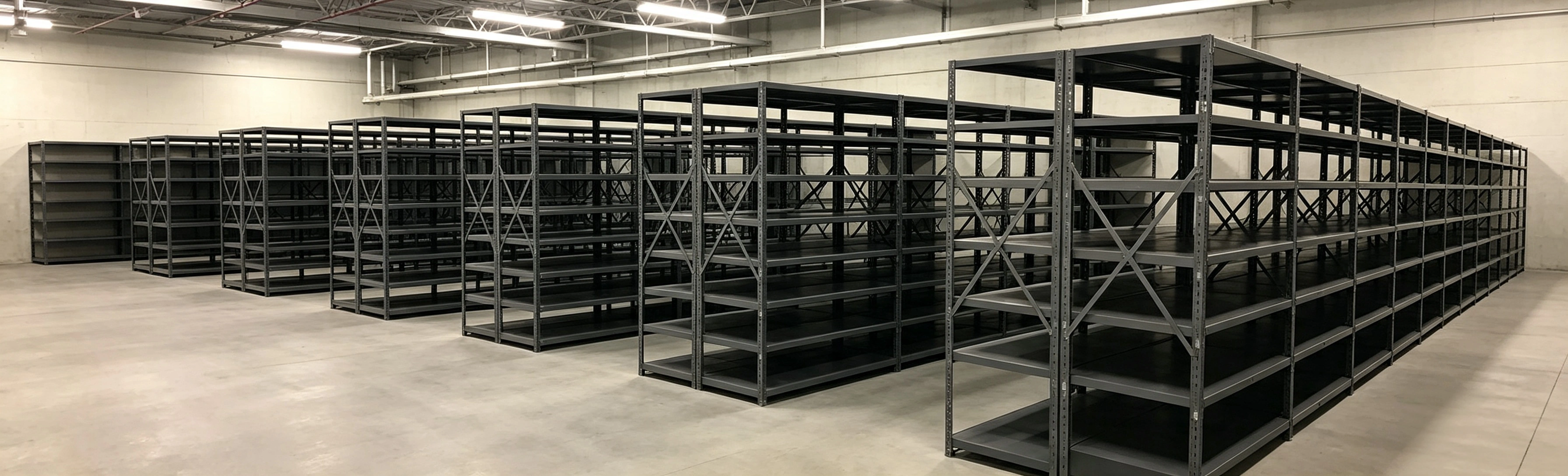
Industrial Shelving Systems

  • Modular design allows for flexible assembly and disassembly, making it suitable for storing loose goods and small items.; With clear and organized hierarchical zoning, the time spent searching for and retrieving goods is reduced by 50%, making daily picking more efficient..; With a compact footprint and clearly defined load-bearing zones, it increases space utilization by 35%, balancing practicality and economy..

JULI Racks Industrial Shelving are purpose-built for manual picking, medium/light load storage, and order preparation workflows. These versatile manual storage solutions accommodate up to 50% of heterogeneous load units, offering flexible, scalable, and cost-effective shelving options to streamline your warehouse operations.

Capacity:10-400TPH
Capacity:10-400TPH
Capacity:10-400TPH
{pboot:if('Case studies of Industrial Shelving Systems worldwide'!='')}
Case studies of Industrial Shelving Systems worldwide
From e-commerce warehouses in Asia to parts factories in Europe, JULI Racks industrial shelving systems have been implemented across multiple industries globally, providing customers with efficient and flexible manual warehousing solutions. These case studies demonstrate how our modular shelving design helps customers improve order picking efficiency, optimize space utilization, and control long-term operating costs.

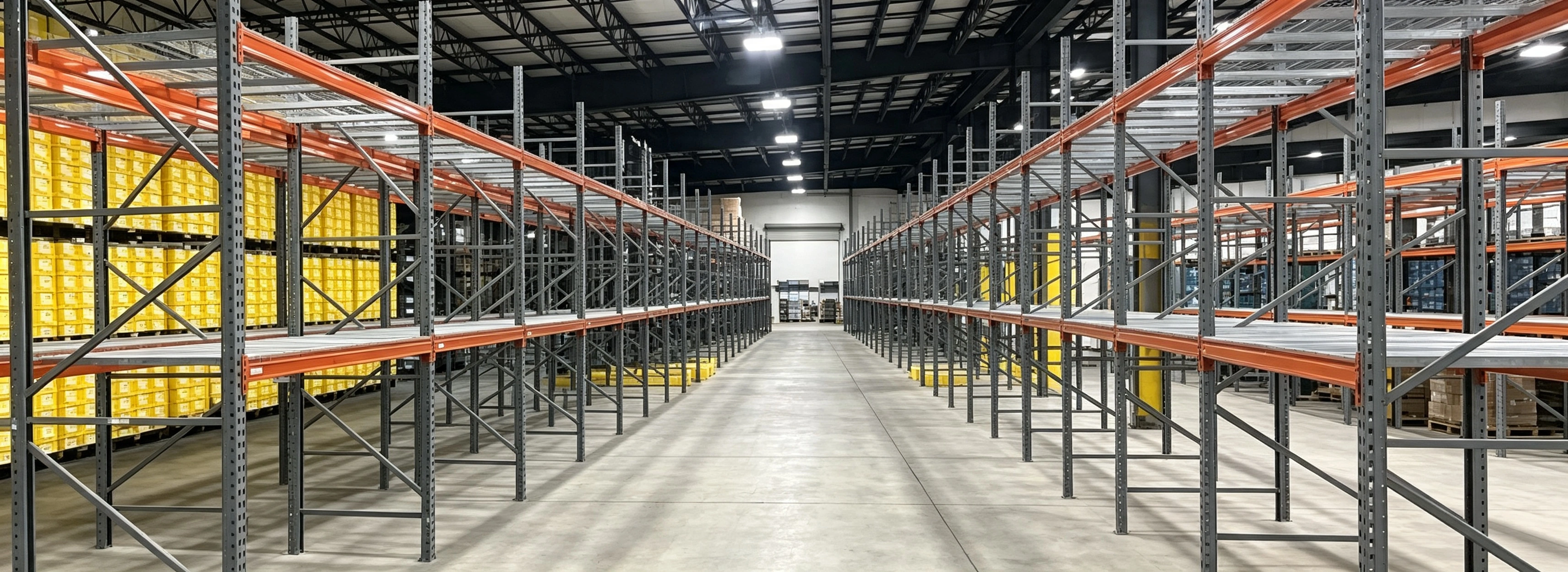
Long Span Shelving in Germany

    Scenario: Large automotive parts distributor Problem: A wide variety of SKUs with varying sizes; traditional shelving cannot accommodate both large and small items, leading to chaotic warehouse layout and excessively long manual picking routes. Choose our product: Long Span Shelving Solution: Adjustable beam design standardizes the storage of different parts sizes, increasing warehouse storage capacity by 40% and significantly improving picking efficiency.

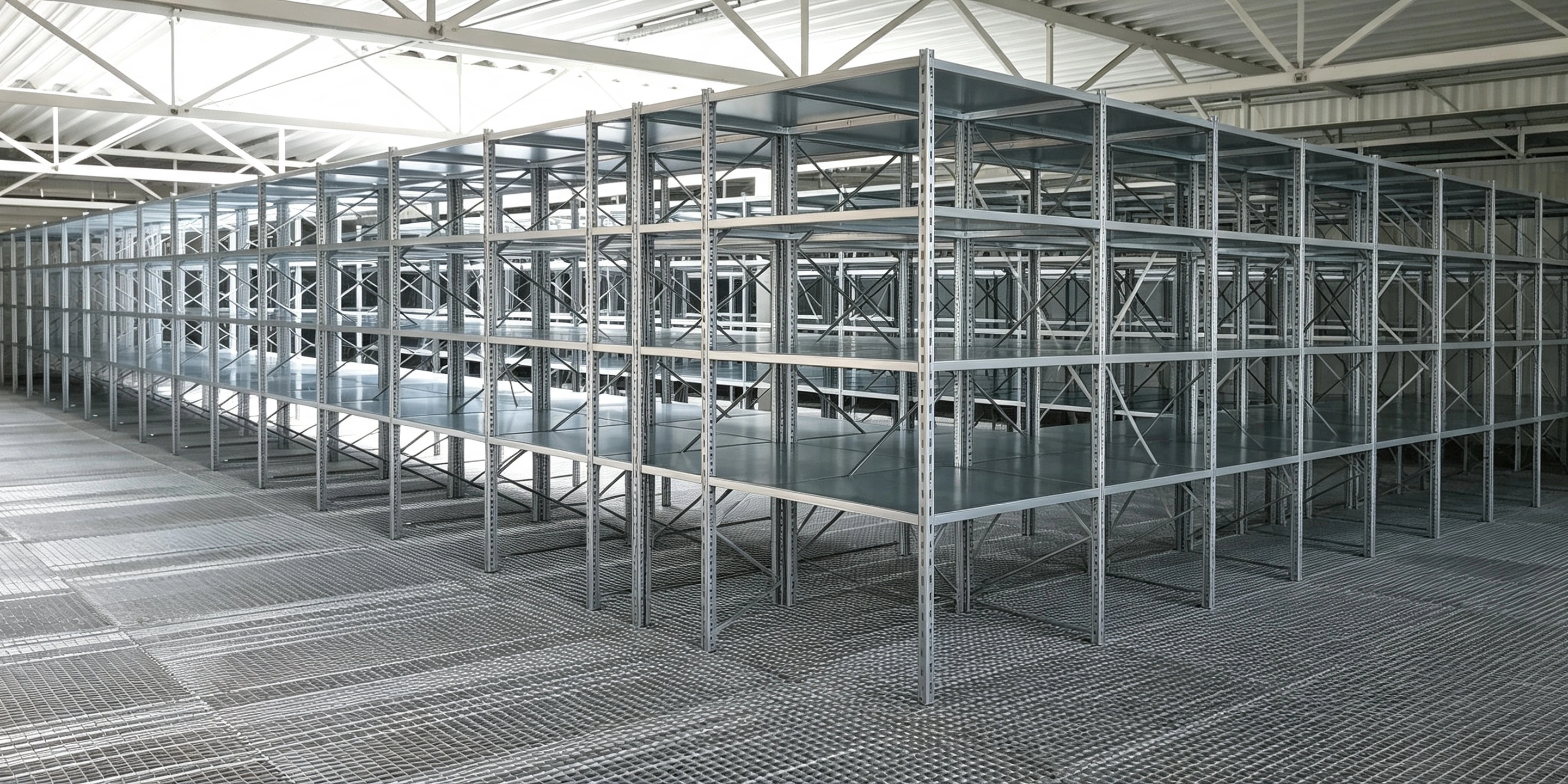
Light Duty Shelving in the USA

    Scenario: Third-party e-commerce warehousing service provider Problem: Large fluctuations in order peaks necessitate a lightweight storage solution that allows for rapid expansion and flexible adjustments within the warehouse, while also meeting the demands of frequent disassembly and relocation. Our Product: Lightweight Shelving Solution: Utilizing a modular, quick-assembly structure, the warehouse layout can be adjusted within 24 hours, easily handling surges in business during peak sales periods and significantly reducing reliance on temporary rental warehouses.

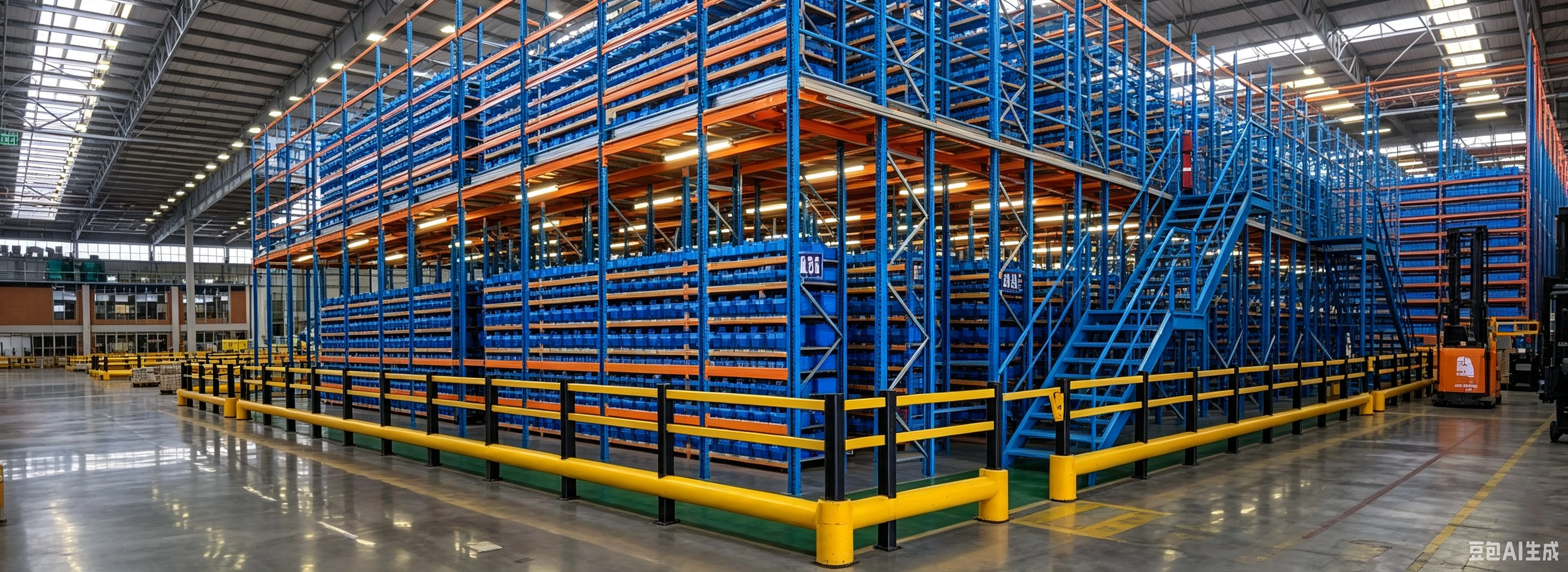
Mezzanine Floor Rack in Australia

    Problem: Existing warehouse floor space is saturated, expansion is not possible, large inventory is piling up, unable to meet ever-increasing storage demand, and rental costs are exorbitant. Choose our product: Mezzanine racking Solution: Utilizing the existing warehouse height, a second-level storage platform is built, nearly doubling the warehouse's usable area. No relocation or expansion is required, and single-warehouse operating costs are reduced by 35%.

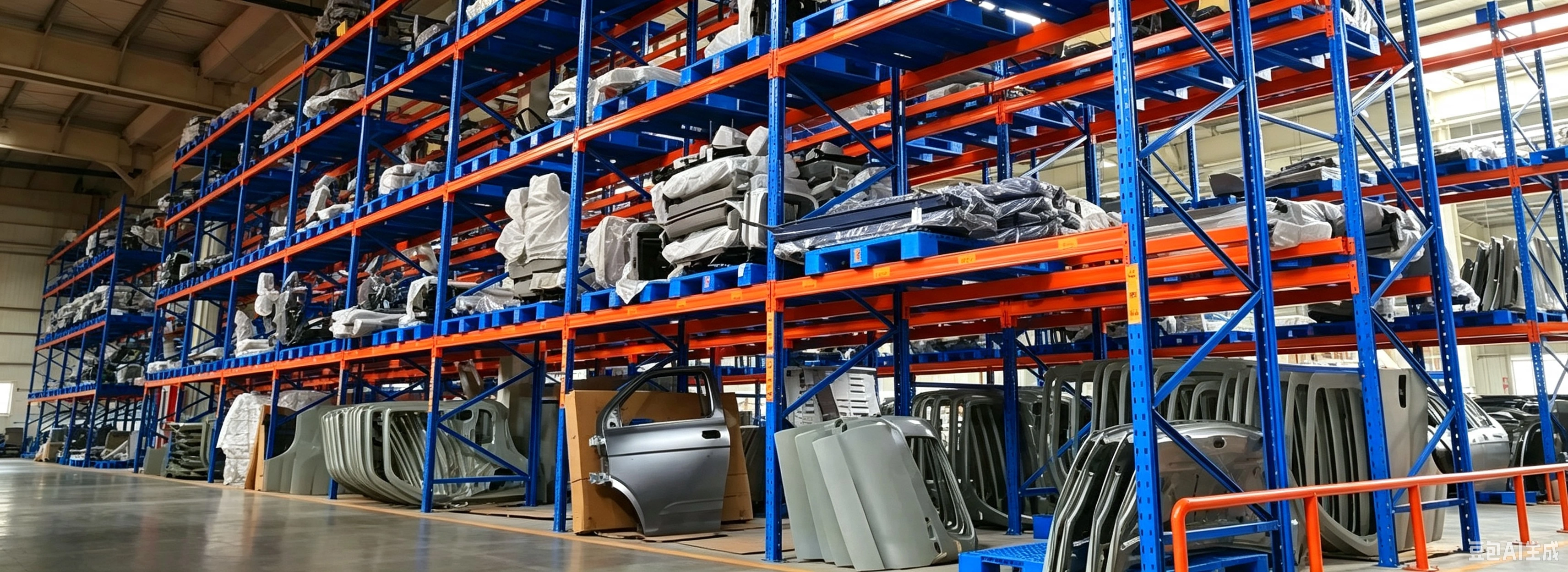
Carton Flow Rack in Chile

    Scenario: Food and Fast-Moving Consumer Goods Distribution Center Problem: Fast-moving consumer goods have short shelf lives and complex batch management. Traditional flat storage methods make it difficult to implement First-In-First-Out (FIFO), resulting in high near-expiry product loss rates. Choose our product: Gravity Flow Carton Rack Solution: Utilizing gravity to automatically slide cartons, strictly implementing FIFO, reducing near-expiry product loss rates by nearly 80%, and significantly reducing the workload of manual replenishment and picking.
{/pboot:if}

Characteristics of Industrial Shelving

Multiple specifications of industrial shelving are available to accommodate various types of non-homogeneous goods storage and manual picking operations. The following is a detailed explanation of the product's core features, intuitively showcasing its structural design, usage advantages, and scenario adaptability.

Dedicated Structure for Manual Picking

Designed specifically for light to medium-weight goods, adaptable to non-standard units such as boxes and containers, with a load capacity of up to 1000kg, optimizing order preparation efficiency..

Modular, Quick-Assemble, and Adjustable

Quick-release structure with adjustable shelf height, quickly adapting to different SKU specifications and business changes.

Customizable for Different Scenarios

Customizable to site and process requirements, compatible with various load units, and supports combination with pallet racks for integrated solutions.

High-Efficiency Operation Without Equipment

Supports fully manual picking without forklifts or lifting equipment, improving picking efficiency.

Optimized Space Utilization

The three-dimensional shelving design maximizes storage space while ensuring accessibility for manual operations.

Safe, Stable, and Durable

Complies with industrial safety standards; the structure is professionally verified and suitable for high-frequency manual picking operations.

Low Maintenance and Low Cost

The boltless design facilitates maintenance and adjustment, reducing future expansion and relocation costs.

Full Lifecycle Adaptability

From layout and use to modification, it supports flexible adjustments and reuse, balancing economy and sustainability..

Different Types of Industrial Shelving

We offer a complete range of shelving products, designed for various scenarios including light and medium-duty goods storage, manual picking, and order preparation. Next, we'll explain the positioning and advantages of our mainstream shelving systems to facilitate quick and easy selection.
Long Span Shelving
Utilizes a widened span frame structure, relying on modular columns and beams for support. Suitable for storing long and large-volume goods, it achieves stable support through a modular frame..
Light Duty Shelving
Primarily uses a simple metal frame, with lightweight components and flexible assembly. It relies on tiered partitions for partitioned storage, mainly supporting lighter goods and suitable for manual handling..
Mezzanine Floor Rack
Utilizes existing shelving columns to build an upper platform, making multi-level use of warehouse vertical space. A steel structure platform serves as the load-bearing surface, achieving double-layered partitioned storage.
Carton Flow Rack
Employs inclined slides and rollers, allowing goods to slide automatically using their own weight, following the first-in, first-out (FIFO) principle, enabling self-service replenishment and picking..
The above is an introduction to the basic principles and functions of four mainstream Industrial Shelving. Each system has its own specific function and can be flexibly selected based on product specifications, operating modes, and warehouse space. Combinations can create highly adaptable warehousing solutions.

Industrial shelving prices fit different budget ranges

Industrial shelving ranges from US$20 to US$400 per set for standard models, with prices varying by load capacity, size and craftsmanship.Next, we will analyze the factors that influence prices, which will hopefully provide some useful insights.
Shelving Type and Load Capacity
Different shelving types and tier load-bearing standards determine the amount of steel used and structural configuration. Larger dimensions and higher load capacities increase the overall cost.
Design and Product Quality
Professional customized warehousing solutions and superior manufacturing processes ensure the stability and safety of the shelving. High-quality materials and meticulous craftsmanship directly increase the overall cost and value of the shelving.
Raw Material Price Fluctuations
Steel is the core raw material for shelving. Real-time fluctuations in steel prices directly affect the production cost and final price of the shelving.
Market Supply and Demand
The market supply and demand relationship for warehouse shelving regulates pricing. Prices rise when demand exceeds supply, while more competitive markets and oversupply result in more favorable pricing.
Spatial Layout and Application Scenarios
Different warehouse sizes, layouts, and industry application scenarios require different shelving structures, functions, and corrosion protection configurations, leading to significant differences in final prices.
Logistics and Transportation Costs
The transportation distance, logistics method, and volume and weight of the goods will generate varying logistics costs, which are a significant component of the overall price.
Delivery and Completion Cycle
Standard delivery cycles have controllable costs. However, if the customer's project is urgent and requires expedited completion, the manufacturer needs to allocate additional resources, resulting in expedited costs and a higher price.
On-site Installation Difficulty
Large and complex warehousing projects or scenarios with limited space require longer installation times and higher labor costs. The higher the installation difficulty, the higher the overall cost of implementing the shelving.
Industrial shelving prices fit different budget ranges. Contact us today to get a customized quotation and ideal storage solutions for your warehouse.

Industrial Shelving Components

Industrial shelving is assembled from a set of standard parts. Each component plays an essential role in supporting loads and keeping the structure stable.
Uprights
Core load-bearing components, supporting the entire shelving unit and determining its overall height and stability.
Beams
Connecting the uprights, bearing goods, and their spacing can be adjusted as needed.
Shelves
Used for directly placing goods, creating independent storage space.
Connectors
Secure all components, ensuring the overall structural integrity of the shelving.
Footplates
Installed at the base of the uprights, providing anti-slip and shock absorption, and balancing the shelving unit.
Reinforcing bars
Strengthen the frame, improving the overall sway resistance and load-bearing capacity of the shelving.
These reliable components ensure stable performance and long service life. We adopt high-quality raw materials and strict production standards for all parts. Feel free to contact us for professional shelving solutions.

How to step by step custom industrial shelving?

Custom industrial shelving is tailored to your unique warehouse space, goods and operational needs. Here we walk you through the complete customization process step by step.
In-depth Communication and Technical Briefing
A comprehensive review of the warehousing model, storage and retrieval equipment, fire safety regulations, and long-term expansion plans was conducted. Multiple rounds of technical briefings were completed, clarifying all technical parameters and acceptance standards to avoid deviations in the later design.
Site Survey and Design Planning
A professional team conducted on-site verification of site dimensions, ground load-bearing capacity, floor height, and work flow, and produced a preliminary draft of a rational warehouse layout based on industry standards.
Engineering Design, Mechanical Calculation, and Drawing Output
Parametric modeling software was used to complete the 3D structural design. Mechanical load calculations were performed to optimize the structure, and complete processing drawings, assembly drawings, and technical specifications were output.
Solution Review and Client Confirmation
An internal technical review was conducted to verify the compliance and feasibility of the solution. Simultaneously, a complete set of design documents was submitted to the client for review and confirmation, finalizing the customized solution.
Raw Material Selection and Incoming Quality Inspection
Based on the operating conditions, steel, aluminum, and other base materials were selected. Strict incoming material inspection was implemented to verify material performance, thickness, and corrosion resistance levels, controlling quality from the source.
Precision Machining and Forming Manufacturing
Components are processed using automated processes such as CNC stamping, laser cutting, and cold bending, with strict control over machining tolerances to ensure assembly precision.
Surface Treatment and Protective Processing
Components undergo deburring, degreasing, and rust removal pretreatment, followed by electrostatic powder coating and hot-dip galvanizing to enhance wear resistance, rust prevention, and resistance to environmental corrosion.
Factory Trial Assembly and Inspection
Finished components undergo pre-assembly in the factory, with comprehensive testing of splicing fit, overall load-bearing capacity, and appearance quality. Only those passing inspection are packaged and shipped

Wide applications of industrial shelving

With its flexible structural design and reliable load-bearing capacity, industrial shelving is suitable for various warehousing and commercial scenarios and is widely used in multiple industries. It is an indispensable basic equipment in modern warehousing systems.
Warehousing & Distribution, E-commerce
Create efficient picking areas for rapid product sorting and improved order processing efficiency.
Manufacturing
Organize raw materials, work-in-process, and tools to ensure clean, orderly, and smooth production lines.
Automotive & Repair Industry
tore heavy parts such as tires and engines, often using adjustable shelving.
Military & Government Agencies
Provide robust and secure storage space to meet standards for storing materials and classified documents.
Schools & Archives
Save space with high-density shelving for long-term, secure storage of books and various documents.
Retail Back-of-House Storage
Store surplus stock and seasonal items for quick restocking.
Medical & Laboratory
Safely store pharmaceuticals, equipment, and laboratory supplies, meeting cleanliness and hygiene requirements.

As an industry shelving manufacturer, JULIracks can provide the following services.

With years of industry experience and a comprehensive service chain, JULIracks can provide customers with a range of professional services and is dedicated to meeting various customization and usage needs.

Warehouse Solution Planning

    We offer free on-site surveys based on site conditions and cargo storage needs, customizing a scientifically sound and reasonable overall warehouse layout plan..

Personalized Custom Design

    We complete specialized designs for racking structure and style according to load-bearing capacity, dimensions, and scenario requirements, supporting non-standard customization.

Production and Manufacturing

    We use high-quality raw materials and automated equipment, strictly controlling processes and quality to ensure product load-bearing capacity and durability..

Logistics and Delivery Services

    We provide professional packaging and logistics transportation, with full protection throughout the process, ensuring the safe delivery of goods to the project site

Professional On-Site Installation

    We have a certified construction team to complete standardized assembly, leveling, and anchoring, ensuring the racking is stable and safe.

Load Testing and Acceptance

    After completion, we conduct load testing and safety acceptance, issuing relevant acceptance documents that meet industry safety standards..

Operation and Usage Training

    We explain racking usage specifications, daily inspection, and basic maintenance techniques to on-site staff.

After-Sales Maintenance Service

    We provide long-term warranty, regular follow-up visits, and emergency repair services to resolve any issues that may arise during later use.

What Are the Components of Asphalt Mixing Plant?

Asphalt mixing plant is used to produce asphalt concrete, and its important asphalt plant components include cold aggregate supply system, drum dryer, fuel burning equipment, dust collector, hot aggregate elevator, vibrating screen, filler supply system, weighing and mixing system, and asphalt storage and supply system. Here is asphalt mixing plant layout in the following!

Cold Aggregate Supply System

    Automatically measures and feeds multiple aggregate sizes with one-click start/stop for easy operation.

Cold Aggregate Supply System

    Automatically measures and feeds multiple aggregate sizes with one-click start/stop for easy operation.

Cold Aggregate Supply System

    Automatically measures and feeds multiple aggregate sizes with one-click start/stop for easy operation.

Cold Aggregate Supply System

    Automatically measures and feeds multiple aggregate sizes with one-click start/stop for easy operation.

Cold Aggregate Supply System

    Automatically measures and feeds multiple aggregate sizes with one-click start/stop for easy operation.

Cold Aggregate Supply System

    Automatically measures and feeds multiple aggregate sizes with one-click start/stop for easy operation.

How to Carry Out Daily Repair and Maintenance of Asphalt Plant Model

An asphalt mixing plant is a large machinery and equipment that requires frequent maintenance and servicing to ensure its normal operation and extend its service life. Therefore, it’s essential to know common problems and solutions of asphalt mixing stations. The following are recommendations for the daily maintenance and servicing of the asphalt mixing plant.
Lubrication System Maintenance
Lubrication System MaintenanceLubrication System MaintenanceLubrication System Maintenance
Lubrication System Maintenance
Lubrication System MaintenanceLubrication System MaintenanceLubrication System MaintenanceLubrication System Maintenance
Lubrication System Maintenance
Lubrication System MaintenanceLubrication System MaintenanceLubrication System MaintenanceLubrication System MaintenanceLubrication System Maintenance
Lubrication System Maintenance
Lubrication System MaintenanceLubrication System MaintenanceLubrication System MaintenanceLubrication System MaintenanceLubrication System Maintenance
Lubrication System Maintenance
Lubrication System MaintenanceLubrication System MaintenanceLubrication System MaintenanceLubrication System Maintenance

Frequently Asked Questions About Plant Mix Asphalt

When considering an asphalt production plant, customers often have additional questions and considerations. We have collected some frequently asked questions about asphalt batching plant for sale from our customers. The following are detailed answers to some common questions that will help you make an informed decision.
How to Ensure the Quality of Asphalt Mixture?
How to Ensure the Quality of Asphalt Mixture?How to Ensure the Quality of Asphalt Mixture?How to Ensure the Quality of Asphalt Mixture?
How to Ensure the Quality of Asphalt Mixture?
How to Ensure the Quality of Asphalt Mixture?How to Ensure the Quality of Asphalt Mixture?How to Ensure the Quality of Asphalt Mixture?
How to Ensure the Quality of Asphalt Mixture?
How to Ensure the Quality of Asphalt Mixture?How to Ensure the Quality of Asphalt Mixture?
How to Ensure the Quality of Asphalt Mixture?
How to Ensure the Quality of Asphalt Mixture?How to Ensure the Quality of Asphalt Mixture?

Contact Us Now!

Contact us now via email: info@stackshelves.com, or fill in the form below.

Please specify your requirement by referring to the following aspects:

    1- Describe the type of project (e.g., logistics warehouse, cold storage, factory workshop, tire storage center, e-commerce fulfillment hub, etc.).

    2- List the specific racking or type (e.g., pallet racking, cantilever racking, tire racking, industrial shelving, heavy duty storage rack, etc.).

    3- Tell us your estimated rack installation or project launch date.

    4- Detail your specific requirements or expectations (e.g., warehouse size, load capacity, storage environment, etc.).

    5- If you are interested in becoming our distributor, please let us know.

*We respect your privacy, and will not share your personal information with other entities.

Contact Us Now!

Contact us now via email: info@stackshelves.com, or fill in the form below.

Please specify your requirement by referring to the following aspects:

    1- Describe the type of project (e.g., logistics warehouse, cold storage, factory workshop, tire storage center, e-commerce fulfillment hub, etc.).

    2- List the specific racking or type (e.g., pallet racking, cantilever racking, tire racking, industrial shelving, heavy duty storage rack, etc.).

    3- Tell us your estimated rack installation or project launch date.

    4- Detail your specific requirements or expectations (e.g., warehouse size, load capacity, storage environment, etc.).

    5- If you are interested in becoming our distributor, please let us know.

*We respect your privacy, and will not share your personal information with other entities.